 by
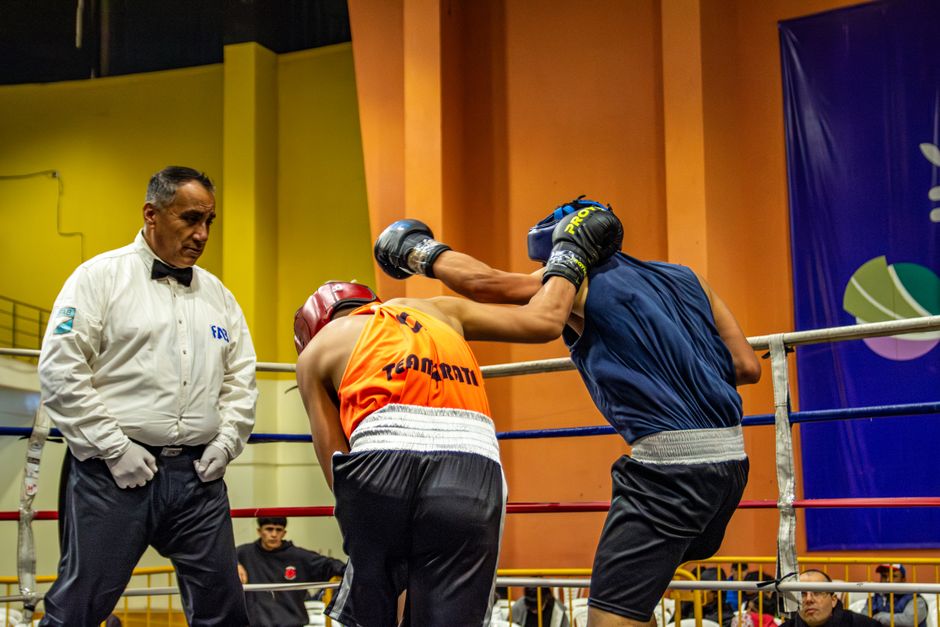
by Boxing referee signals help fighters, cornermen, judges and spectators understand what is happening in the ring when spoken commands are not enough. The exact gestures can vary between professional boxing, amateur competitions and the rules used by a particular governing body, but the main signals are widely recognised.
For viewers in Nigeria following local shows, national competitions or international bouts, the most useful distinction is this: a referee’s gesture may either control the action, record an incident or communicate a penalty. The signal does not replace the referee’s verbal command; it reinforces it.
Common boxing referee signals and their meanings
Break
For a break, the referee usually moves between the boxers and gives a clear hand gesture while saying “break.” The fighters must release the clinch and take a step away before resuming. Punching after the break command can lead to a warning or a point deduction, particularly if the action is deliberate.
Stop
A raised hand or an emphatic separating motion can signal that the action must stop. The referee may use this for a foul, an injury, equipment problem, dangerous conduct or the end of a round. Fighters should stop immediately and look at the referee for instructions.
Time
A referee may point toward the timekeeper or make a recognised time signal when the clock must be stopped. This can happen after a foul, an injury, a problem with the ring or another interruption. Only the official timekeeper restarts the clock when instructed.
Knockdown and count
When a boxer is knocked down, the referee directs the standing boxer to a neutral corner and begins the count. The count is commonly shown with the referee’s fingers or hand movements. A standing boxer must wait in the neutral corner until the referee signals that action may continue.
The count is not the same as a knockout. A boxer who rises before the count reaches ten may continue if the referee decides they are fit to do so. In many competitions, the referee also checks the boxer’s condition before allowing the bout to resume.
Warning
A warning for a foul is usually communicated with a pointed finger, a hand gesture toward the offending boxer or a brief explanation at close range. A warning is different from a point deduction. The referee may warn first, but a serious or repeated foul can result in an immediate deduction.
Point deduction
For a point deduction, the referee normally signals the boxer, then indicates the deduction to the judges or timekeeper. The exact gesture differs among sanctioning bodies. The referee should make the penalty clear to the judges so it is reflected on the scorecards.
Signals for common boxing fouls
Referees may use different gestures for the same foul, especially across national and international rulesets. The following actions are commonly identified through a combination of a hand signal, a pointed gesture and a verbal explanation.
- Low blow: the referee points toward the lower abdomen or groin area and may stop the action to give the affected boxer time to recover.
- Holding: the referee separates the boxers, points to the clinching boxer or makes a pulling or restraining motion.
- Hitting behind the head: the referee points toward the back of the head or neck and warns the boxer.
- Hitting on the break: the referee signals a break and then indicates that a punch was thrown after the command.
- Headbutt: the referee may point to the head and stop the action if the contact appears intentional or causes an injury.
- Hitting a downed opponent: the referee points to the canvas or the fallen boxer and may issue a serious warning or deduction.
- Spitting out the mouthpiece: the referee may signal for the mouthpiece to be replaced and can warn or penalise a boxer if the act appears deliberate.
A gesture alone does not always identify the final penalty. The referee’s decision depends on factors such as intent, the effect of the foul, whether the action was repeated and the rules governing the bout.
How to read referee gestures during a bout
Watch the referee’s position as well as the hands. A referee moving between fighters with an outstretched arm is usually controlling distance or calling a break. A referee pointing toward a boxer and then toward the judges is more likely communicating a warning or deduction. A gesture toward the timekeeper usually concerns the clock rather than scoring.
Do not confuse referee signals with judges’ scoring signals. Judges score clean punching, effective aggression, ring generalship and defence according to the applicable rules. The referee controls the action and enforces the rules; the judges decide the round.
Do boxing referee signals differ in amateur and professional bouts?
Yes. International amateur boxing, national amateur competitions and professional boxing may use different manuals, terminology and procedures. A signal for a warning, standing count, medical inspection or point deduction may look slightly different from one organisation to another.
In Nigeria, the safest reference for a tournament is the technical rules issued by the event organiser or the governing body supervising the competition. A referee’s verbal command remains decisive even if a hand gesture looks unfamiliar. Coaches and boxers should attend the rules briefing rather than rely only on signals seen in televised professional fights.
Frequently asked questions about boxing referee signals
What does a referee’s raised hand mean in boxing?
It commonly means stop, wait or separate, but the context matters. The referee may be stopping the action for a foul, ending a sequence, checking an injury or giving another instruction.
What does a referee pointing to a neutral corner mean?
After a knockdown, it tells the standing boxer to move to that corner and remain there while the referee counts and assesses the boxer who fell.
What does the referee do after a low blow?
The referee may stop the bout, allow recovery time and determine whether the low blow was accidental or deliberate. A deliberate or repeated foul can bring a warning, point deduction or disqualification under the relevant rules.
Are boxing referee hand signals universal?
No. The basic ideas are similar, but the exact gestures and procedures can differ between amateur boxing, professional boxing and individual sanctioning bodies. The referee’s spoken instruction and the competition rules take priority.
Who signals the end of a boxing round?
The bell signals the end of the round. The referee may also use a hand gesture to direct the boxers back to their corners, but the official timekeeper controls the bell and the bout clock.