 by
by Cricket injuries can affect players at every level, from school and club cricket to competitive matches in Nigeria. The most common problems involve the back, shoulders, elbows, knees, ankles and hands. Some develop gradually through repeated bowling or batting, while others happen suddenly after a fall, collision or awkward landing.
Knowing the difference between ordinary post-match soreness and a potential injury helps a player respond early. Pain that is severe, worsening, associated with swelling or limiting movement should not be ignored.
What are the most common cricket injuries?
The type of injury often depends on a player’s role, workload, age, fitness and playing surface. Common cricket injuries include:
- Lower-back pain: Fast bowlers are especially vulnerable to stress injuries and muscle strain because of repeated high-force movements. Poor technique, sudden increases in bowling and inadequate recovery can raise the risk.
- Shoulder injuries: Bowlers and fielders may develop rotator cuff irritation, shoulder strain or instability. Repeated throwing, especially from the boundary, can aggravate the joint.
- Elbow and forearm pain: Repetitive bowling and throwing can cause tendon irritation around the elbow. Pain that persists between matches deserves assessment.
- Hamstring and groin strains: Sprinting between wickets and chasing the ball can overload muscles that are not properly warmed up or conditioned.
- Knee injuries: Twisting, sudden stopping and repeated running may contribute to ligament sprains, tendon pain or irritation around the kneecap.
- Ankle sprains: An uneven landing or a change of direction can stretch the ankle ligaments. Swelling, bruising and difficulty bearing weight are warning signs.
- Hand and finger injuries: A fast delivery or hard throw can cause bruising, dislocation or a fracture. A finger that looks crooked, becomes numb or cannot bend normally needs prompt medical attention.
- Head injuries and concussion: A blow from a ball, bat or another player can cause concussion even when there is no loss of consciousness.
Why do cricket injuries happen?
Cricket injury causes are often linked to workload rather than one isolated mistake. A bowler who suddenly adds extra spells, a batter returning after a long break or a fielder playing on a hard, hot surface may be exposed to more stress than the body can manage.
Other risk factors include poor warm-up, limited strength and mobility, worn footwear, inadequate hydration, unsafe field conditions and returning to play before an earlier injury has healed. Junior players can be particularly vulnerable if they copy adult workloads without suitable coaching and rest.
Fast-bowling injuries deserve close attention. Repeated deliveries place force through the lower back, hips, knees and ankles. Coaches should monitor the number of overs, the intensity of sessions and any change in a player’s bowling action. Persistent back pain in a young bowler should be assessed rather than treated as normal training soreness.
How can players prevent cricket injuries?
Cricket injury prevention starts before the first ball. Players should arrive early enough for a gradual warm-up that includes light running, mobility exercises and movements related to bowling, batting and fielding. A warm-up should prepare the body, not leave the player exhausted.
- Increase training and bowling workloads gradually instead of making large changes from one week to the next.
- Build strength in the legs, hips, trunk, shoulders and forearms through a planned programme.
- Practise landing, stopping, throwing and changing direction with appropriate coaching.
- Wear cricket shoes that suit the playing surface and replace footwear when the grip has deteriorated.
- Drink regularly during hot conditions and take scheduled breaks, particularly during daytime matches in Nigeria.
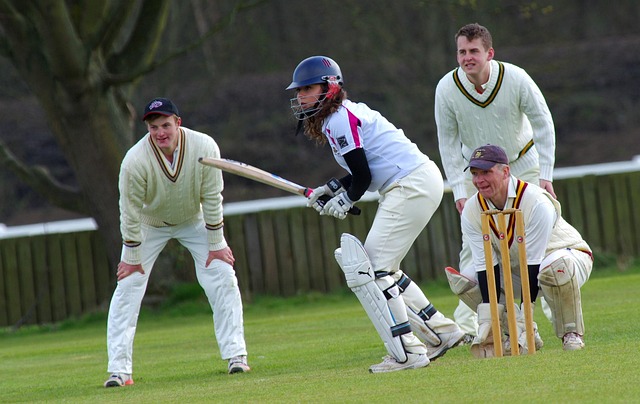
- Use protective equipment correctly, including a helmet, pads, gloves, abdominal protection and suitable shoes.
- Report pain early and avoid using pain medicine to mask symptoms so that play can continue.
Good recovery also matters. Adequate sleep, regular meals and rest days help the body cope with repeated matches and training sessions. Players should not treat severe pain, swelling or reduced movement as a normal part of cricket.
What should a player do after a cricket injury?
Stop playing if pain is sharp, movement is restricted or the injury followed a collision, fall or direct blow. For a minor soft-tissue problem, protect the area, rest from aggravating activity and use a wrapped cold pack for short periods if it helps with pain. Do not apply ice directly to the skin, and avoid returning to cricket simply because the pain temporarily improves.
Seek urgent medical care for a suspected fracture, a deformed joint, severe swelling, uncontrolled bleeding, numbness, breathing difficulty or inability to put weight on a limb. After a head impact, remove the player from play and arrange medical assessment if there is headache, dizziness, confusion, vomiting, unusual behaviour, balance problems or memory loss. A player with possible concussion should not return to the same match without appropriate clinical evaluation.
For injuries that keep returning or last beyond a short period, a sports doctor or physiotherapist can assess the cause and create a return-to-play plan. Rehabilitation should restore pain-free movement, strength, balance and cricket-specific skills before full competition.
How should players return to cricket?
Returning to cricket should be gradual and based on function, not just the number of days since the injury. A player should first manage everyday movements without significant pain, then progress through jogging, throwing, batting, bowling and fielding drills. Bowling intensity and overs should be increased carefully, especially after a back, shoulder or lower-limb problem.
The player should be able to complete cricket-specific training without worsening symptoms during the session or the following day. Coaches, parents and medical professionals should communicate about restrictions, particularly for young players and anyone recovering from concussion or a stress injury.
Frequently asked questions about cricket injuries
What is the most common injury in cricket?
Muscle strains, ankle sprains and overuse pain in the back, shoulder or elbow are common. The pattern varies by role: bowlers often experience back and shoulder problems, while batters and fielders may be more exposed to hand, finger, hamstring and ankle injuries.
Is back pain normal for fast bowlers?
Mild muscle soreness after unfamiliar exercise can occur, but repeated, one-sided or worsening back pain is not something to play through. A fast bowler with persistent pain should stop bowling and seek assessment, particularly if the pain spreads, affects movement or occurs during a growth period.
Can a cricketer play with a sprained ankle?
Playing on a painful or unstable ankle can worsen the injury and delay recovery. The ankle should be assessed if there is significant swelling, bruising, tenderness over the bone or difficulty walking. Return to play should follow restored movement, strength and balance.
How can cricket players avoid injuries in hot weather?
Players should hydrate before and during play, use breaks to cool down, wear suitable clothing and tell teammates or officials about dizziness, cramps, headache, weakness or confusion. Suspected heat illness requires immediate removal from the heat and medical help, especially if the player is confused, faints or cannot drink.