 by
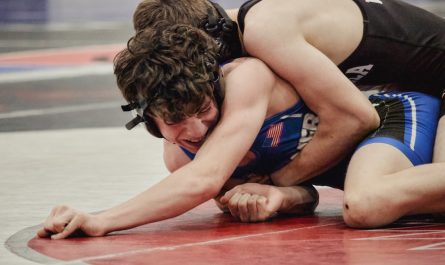
by Wrestling challenge rules determine how a coach can ask officials to review a disputed scoring decision. In freestyle and Greco-Roman wrestling, a challenge normally concerns a specific action that may have changed the score, such as a takedown, exposure, reversal, boundary call or potentially dangerous move.
The exact procedure can differ between United World Wrestling events, national competitions and local tournaments in Nigeria. The safest approach is to check the event’s technical regulations, but the main principles are consistent: the challenge must be made promptly, it must identify a reviewable action, and the video evidence must show that the original decision was wrong.
What a wrestling challenge is allowed to review
A challenge is not a general request to replay an entire bout. It is tied to a particular ruling or scoring sequence. A coach may challenge when the disputed decision could affect the result or the wrestler’s score.
- Scoring actions: whether a takedown, reversal, exposure or other scoring move occurred.
- Out-of-bounds decisions: whether a wrestler completed an action before going outside the wrestling area.
- Near-fall and danger positions: whether the opponent’s back reached the required angle or whether the hold was valid.
- Illegal or dangerous actions: whether an incident should have produced a penalty, stoppage or disqualification.
- Time and sequence: whether an action happened before the period ended or before the referee stopped the bout.
Video review generally cannot replace the referee’s judgment on every physical detail. The officials look at the specific incident raised by the coach and apply the competition rules to the available footage.
Who can request a challenge and when
In most organised wrestling competitions, the wrestler does not personally submit the challenge. The coach or an authorised corner representative signals the request to the officials, usually by throwing a challenge brick or using the event’s designated challenge procedure. The request must be made within the time allowed by the competition.
A challenge normally needs to be made before the bout continues too far or before the next scoring sequence makes the original incident difficult to isolate. Waiting until the period has ended may be too late unless the event rules create a specific exception. A coach should signal immediately after the disputed call and clearly indicate what decision is being contested.
At smaller tournaments, there may be no video challenge system at all. Some events use a table official, a review panel or a limited replay process instead of a physical brick. That is why coaches in Nigeria should confirm the review procedure at weigh-in, the technical meeting or before the first bout.
How the review process works
- The referee makes a call or awards points.
- The coach signals a challenge and identifies the disputed action.
- The bout is paused while the challenge is accepted or rejected under the event rules.
- The referee, judge and mat chairman or review officials examine the available video.
- The officials announce whether the original decision stands or is changed.
- The score, clock or wrestler status is corrected if the review supports the challenge, and the bout resumes.
The review is based on the footage available to the officials. If the camera angle does not clearly settle the issue, the original decision may remain in place. A challenge is therefore not automatically successful simply because the action looked different from the coach’s corner.
What happens after a successful or unsuccessful challenge
If the challenge succeeds, officials correct the relevant decision. That may add or remove points, change who is awarded a takedown, restore time, reverse an out-of-bounds ruling or apply the correct penalty. The correction should cover the incident under review rather than unrelated actions.
If the challenge fails, the original ruling stands. Many wrestling formats also remove the coach’s challenge opportunity or apply a challenge penalty after an unsuccessful review. Some competitions allow a team to retain the challenge after a successful review, while others use a different limit. The event’s regulations control this detail.
A challenge can also be rejected without a full review if it is late, concerns a non-reviewable matter, is made by an unauthorised person or does not identify a specific incident. Coaches should not use a challenge as a substitute for asking about every close exchange.
Common examples of wrestling challenges
Imagine a freestyle wrestler finishes a takedown near the edge. The referee awards no points, believing the action ended out of bounds. If the video shows control was established inside the area before the wrestler stepped out, the coach may have grounds to challenge the decision.
Another example is exposure. A wrestler may briefly turn an opponent’s back toward the mat, but the referee gives no near-fall points. A review can determine whether the required position and control existed. It cannot award points merely because the opponent appeared uncomfortable or close to danger.
A challenge may also concern the clock. If a scoring move was completed before the end-of-period signal but points were not awarded, the review panel may examine the timing and action together. The ruling depends on the competition’s definition of when the scoring action was completed.
Practical advice for coaches and wrestlers in Nigeria
Before competing, ask the organiser whether video review is available, how a challenge is signalled, who may request it and whether an unsuccessful challenge is lost. The procedure at a local Nigerian tournament may not be identical to the process used at a continental or international event.
During a bout, identify the exact call rather than reacting to frustration. A useful challenge request is specific: “Review the takedown at the edge,” or “Review the exposure before the whistle.” Coaches should also watch the official’s signal, listen for the ruling and prepare the wrestler to restart quickly after the decision.
Frequently asked questions
Can a wrestler challenge a referee’s decision personally?
Usually, the authorised coach or corner representative makes the challenge. The event regulations may prescribe the exact signal and identify who is permitted to use it.
Can every wrestling action be reviewed?
No. Review is normally limited to incidents covered by the event’s challenge rules. A challenge must identify a specific scoring, boundary, penalty, timing or safety decision.
Do you keep a challenge after winning it?
Often, a successful challenge is retained, but this is not universal. Some competitions limit the number of challenges or use a different penalty system, so the published regulations should be checked.
What if there is no video replay?
The referee and other mat officials make the final decision under the tournament’s normal procedure. Smaller events may not provide the equipment or review panel required for a formal wrestling challenge.