 by
by The right boxing shoes should keep your feet connected to the canvas without restricting movement. Unlike ordinary trainers, boxing boots are built for pivots, lateral steps, quick weight transfers and repeated movement around a ring. A good pair will feel secure at the heel, flexible through the forefoot and stable when you turn.
This boxing shoes guide explains what to look for before buying, including fit, sole design, ankle height, surface grip, ventilation and value for money. It also covers practical considerations for boxers in Nigeria, where indoor gym floors, online sizing and imported footwear can make the buying decision less straightforward.
What makes boxing shoes different from regular trainers?
Running shoes are designed to move forward and absorb impact. Boxing shoes are designed for controlled movement in several directions. Their soles are usually flatter and thinner, giving you better contact with the floor during pivots and defensive steps.
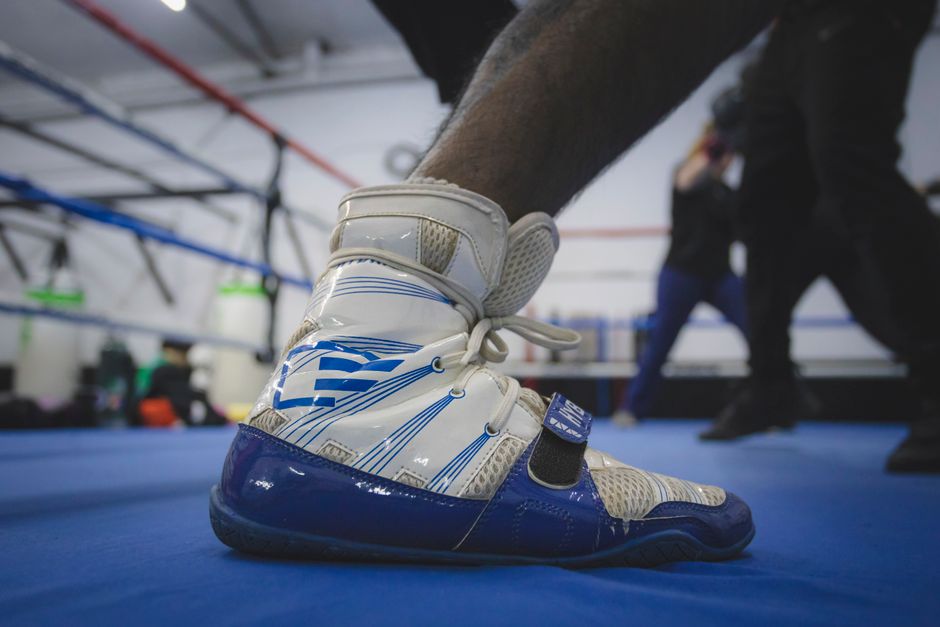
A boxing shoe also tends to have a narrow, supportive shape. This helps reduce unnecessary foot movement inside the shoe as you shift from one leg to the other. The upper may extend above the ankle to provide extra support, although ankle height alone does not prevent injury or replace sound footwork.
Using ordinary sneakers for boxing can create problems. A heavily cushioned sole may feel unstable during rotation, while deep tread can grip the floor too aggressively or interfere with smooth pivots. For regular boxing training, purpose-built boxing footwear is usually a better choice.
How boxing shoes should fit
Fit is more important than the logo or appearance. Your heel should stay in place when you take a step, but your toes should not be squeezed against the front of the shoe. There should be enough room to move your toes slightly without your foot sliding inside the boot.
Try boxing boots with the socks you normally wear for training. Lace them fully, stand up and move laterally. Check whether your heel lifts, whether the sides pinch and whether your toes touch the front when you bend your knees. A shoe that feels comfortable only while standing may become too tight once your feet warm up and swell during a session.
Do not automatically order your usual casual shoe size. Boxing shoe sizing varies between manufacturers, and some models have a narrow fit. Check the brand’s foot-length chart and measure both feet. If one foot is larger, choose a size that accommodates the larger foot, then use the lacing to secure the smaller side.
Choosing sole grip and flexibility
The sole should provide traction without stopping your foot from turning. Look for a flat rubber or gum-rubber outsole with a pattern suited to indoor gym surfaces. The best boxing shoe grip lets you push, brake and pivot while keeping enough freedom for quick footwork.
Test the sole on a clean, dry floor if possible. A shoe that feels slippery during a pivot is unsuitable, but a sole that locks onto the floor may also make rotation uncomfortable. Excess dust, moisture and worn flooring can change how any boxing shoe performs, so clean the outsole and keep it dry.
Flexibility should be concentrated near the forefoot. The shoe should bend when you move onto the ball of your foot, while the heel and midfoot remain supported. Very stiff footwear can make movement tiring; footwear that folds excessively may feel unstable during punches and defensive exits.
Low-top, mid-top or high-top boxing boots?
Low-top boxing shoes are lighter and often feel less restrictive around the ankle. They suit boxers who prioritise mobility and already have confident footwork. Their trade-off is that they provide less coverage above the ankle.
Mid-top boxing boots offer a balance between movement and support. They are a practical choice for many recreational boxers because they provide more structure without feeling as tall as a traditional high-top model.
High-top boxing shoes cover more of the lower leg and can feel secure during lateral movement. They may suit athletes who prefer additional ankle coverage, but they can feel warmer and less flexible. The boot should support your movement, not force your ankle into an uncomfortable position.
Features worth paying for
- Secure heel construction: A padded heel collar and effective lacing system help prevent internal slipping.
- Breathable upper: Mesh panels or ventilated materials are useful in hot, humid training conditions.
- Low-profile midsole: A close-to-the-floor feel improves balance and control.
- Reinforced toe and sides: These areas receive repeated friction during movement and should not separate quickly.
- Reliable outsole bonding: Check the join between the upper and sole, especially if buying from a marketplace seller.
- Lightweight construction: Lower weight can reduce fatigue, but not if it comes at the cost of fit or durability.
Do not treat extra cushioning as automatically better. Boxing involves repeated movement rather than long-distance running, so a stable platform and accurate floor feedback are usually more useful than a thick foam sole.
Boxing shoes versus wrestling shoes
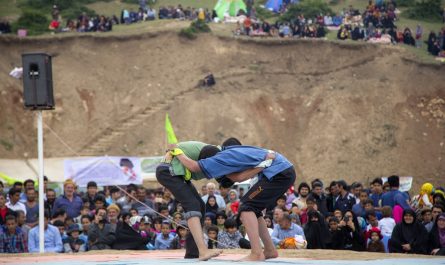
Wrestling shoes can resemble boxing boots and are sometimes used for boxing training, but the designs are not identical. Wrestling footwear often prioritises grip for grappling, while boxing footwear is shaped around pivots, stance changes and ring movement.
If you are choosing between boxing shoes and wrestling shoes, inspect the outsole carefully. Avoid an aggressive tread that catches on the canvas. Also check whether the upper allows the ankle movement you use in boxing and whether the shoe feels comfortable during shadowboxing and bag work.
Buying boxing shoes in Nigeria
For Nigerian buyers, heat, humidity and delivery conditions deserve attention. Breathable materials can make long sessions more comfortable, but mesh should still be supported by durable overlays in high-wear areas. Allow the shoes to air after training instead of leaving them inside a closed sports bag.
Before ordering boxing shoes online in Nigeria, confirm the seller’s size chart, return policy and delivery terms. Ask for the foot-length measurement rather than relying only on UK, US or EU sizing. Inspect product photographs for the outsole, stitching and box label, and be cautious if the price is far below comparable pairs without a clear explanation.
Budget boxing shoes can work well for beginners if the fit is correct and the sole is suitable for the gym floor. A more expensive pair may offer better materials, lighter construction or improved durability, but price alone cannot compensate for the wrong size. If possible, ask your coach or gym members which models have held up well on your local training surface.
When should you replace boxing footwear?
Replace your boxing shoes when the outsole becomes smooth, the heel begins to move, the sole separates from the upper or the shoe no longer feels stable during pivots. A damaged lace system can also compromise fit.
Do not judge condition only by appearance. Walk, pivot and perform a few controlled stance changes. If the shoe slips unpredictably or your foot rolls inside it, continuing to train in it can affect movement and confidence.
Boxing shoe buying checklist
- Measure your feet and compare the result with the manufacturer’s chart.
- Wear your normal boxing socks when checking the fit.
- Confirm that the heel stays down and the toes are not compressed.
- Choose a flat, flexible sole made for indoor movement.
- Check breathability if you train in hot conditions.
- Inspect stitching, sole bonding and return terms before buying online.
- Test the shoes gradually before using them for a full sparring session.
Common questions about boxing footwear
Can I use running shoes for boxing?
You can use them for light general fitness, but running shoes are not ideal for regular boxing. Their raised, cushioned soles may reduce stability during pivots and lateral movement. Boxing shoes or suitable flat-soled indoor footwear are better for technical training.
Are boxing boots supposed to feel tight?
They should feel secure, not painfully tight. Your heel and midfoot should not slide, while your toes need enough space to move. Numbness, pressure on the toenails or a pinching forefoot indicates an incorrect fit.
Do boxing shoes prevent ankle injuries?
No. They can improve traction, stability and movement control, but they do not eliminate injury risk. Warm up properly, maintain good technique and replace footwear when the sole or support is worn.
How long do boxing shoes last?
Service life depends on training frequency, floor condition, body weight, cleaning and construction quality. A pair used several times each week may wear sooner than one used occasionally. Inspect grip and sole bonding regularly rather than relying on a fixed replacement date.