
 by
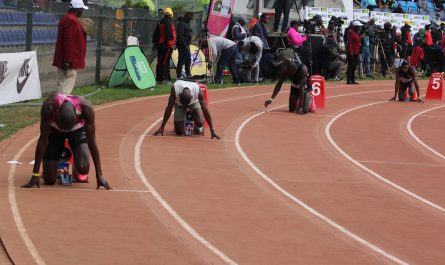
by Sprint recovery depends on the intensity and distance of the effort. For short, high-quality sprints of 10–30 metres, rest for about 2–4 minutes between repetitions. For 60–100-metre sprints, 4–8 minutes may be necessary. The aim is to begin the next sprint with good speed and technique, not while heavily fatigued.
Shorter rest can be useful for conditioning, but it changes the session. If the goal is maximum speed, acceleration, or race-quality mechanics, longer recovery between sprints is usually the better choice.
How much recovery do you need between sprints?
Use the type of session to decide your sprint recovery time:
- Maximum acceleration: Rest 2–4 minutes after a 10–30-metre sprint.
- Maximum-velocity work: Rest 4–8 minutes after a flying sprint or fast 40–60-metre effort.
- Speed endurance: Rest 6–12 minutes after a hard 80–150-metre repetition.
- Repeated-sprint conditioning: Rest 20–90 seconds, depending on the programme and sport.
These are starting points rather than fixed rules. Add rest if your speed drops sharply, your posture breaks down, or you cannot produce the same quality of effort. A useful coaching rule is to stop a speed session when times become noticeably slower or the athlete begins reaching, overstriding, or tightening through the shoulders.
What to do during recovery between sprints
Walk slowly for the first part of the break, then stand or move gently while breathing returns to normal. Avoid exhausting stretches or extra drills during a short recovery period. The next sprint should begin with relaxed muscles, stable footing, and enough concentration to perform the movement correctly.
For post-sprint recovery, finish with five to ten minutes of easy walking or jogging. Light movement can help you feel less stiff, but it does not replace sleep, food, hydration, or rest days. Gentle mobility exercises for the hips, ankles, and hamstrings are appropriate if they feel comfortable.
Recovering after sprint training
Muscle recovery after sprinting is influenced most by sleep, total training load, nutrition, and hydration. Aim for a consistent night of sleep and eat a meal containing carbohydrate and protein after a demanding session. Carbohydrate helps restore training fuel, while protein supports muscle repair. Water is suitable for many sessions; after heavy sweating, a drink or meal containing electrolytes may also help.
In Nigeria’s heat and humidity, do not judge recovery by thirst alone. Train during cooler parts of the day where possible, take fluids to the track, and allow extra recovery if you feel unusually hot, dizzy, weak, or unable to maintain coordination. A shaded, ventilated recovery area can make a significant difference.
Most sprinters should avoid placing another demanding sprint session on the following day. Easy technical work, walking, mobility, or low-intensity cycling may be suitable, but sore muscles and poor sleep are signs to reduce the load.
How to tell if you have recovered enough
You are more likely to be ready for another hard sprint session when your warm-up feels normal, your legs feel responsive, and you can accelerate without protective tightness. Persistent soreness, a heavy feeling in the legs, slower training times, irritability, poor sleep, or a rising resting heart rate may indicate incomplete recovery.
Do not sprint through sharp pain, especially in the hamstring, groin, calf, Achilles tendon, or lower back. Stop the session and seek assessment from a qualified health professional if pain changes your running style, causes swelling or bruising, or does not improve with rest.
Common sprint recovery mistakes
- Using the same rest for every session: Maximum-speed work needs more recovery than conditioning intervals.
- Starting the next sprint by the clock alone: Readiness and running quality matter more than an arbitrary interval.
- Replacing recovery with aggressive stretching: Stretching cannot compensate for inadequate rest or excessive training volume.
- Ignoring the surface and weather: Heat, humidity, poor track conditions, and hard surfaces can increase fatigue.
- Adding speed work to a tired football or basketball schedule: Count matches, repeated accelerations, and gym sessions as part of the total load.
Frequently asked questions about sprint recovery
How long should I rest after a 100-metre sprint?
For high-quality speed work, start with 4–8 minutes. Use more rest if the sprint was maximal or conditions are hot. If the session is designed as conditioning, the rest may be shorter, but expect greater fatigue and slower times.
How can I recover faster after sprinting?
Walk easily after the session, replace fluids, eat carbohydrate and protein, sleep consistently, and avoid another maximal sprint session until your legs and technique feel normal. No supplement can replace these basics.
Is active recovery good for sprinters?
Low-intensity walking, cycling, or mobility can reduce stiffness and maintain movement. Keep it easy enough that it does not create additional fatigue.
Should I sprint again if I am still sore?
Do not perform maximal sprints through significant soreness or pain. Use an easier recovery session or rest, and get professional advice if symptoms persist.