 by
by The best food before a boxing match gives you usable energy without sitting heavily in your stomach. Most boxers do well with familiar carbohydrates, a moderate amount of lean protein, little fat and enough fluid. The right choice also depends on how long remains before the bout, your body weight and whether you have a weigh-in first.
What to eat the day before a boxing match
The day before a fight, focus on regular meals rather than a last-minute binge. Carbohydrates help replenish muscle glycogen, the stored fuel used during hard rounds. Choose foods you have already tested during training.
- Breakfast: oats with banana and yoghurt, or bread with eggs and fruit.
- Lunch: rice with grilled chicken or fish and a moderate serving of vegetables.
- Dinner: potatoes, rice or pasta with lean protein and a small portion of vegetables.
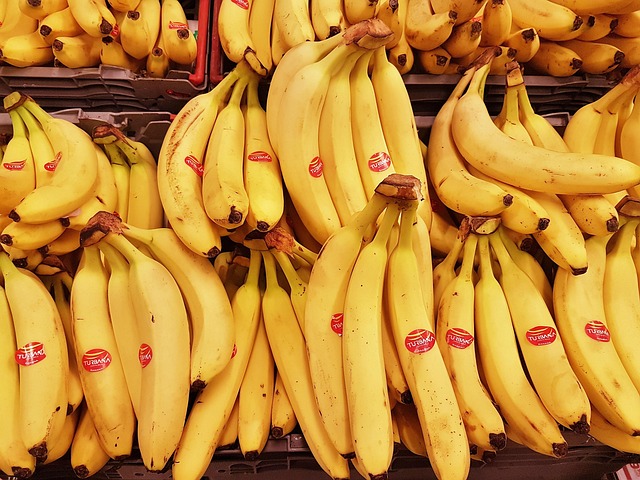
- Snacks: bananas, yoghurt, bread, crackers or a small bowl of cereal.
Nigerian boxers can use familiar options such as rice and grilled fish, boiled yam with eggs, oats, bread with a small amount of peanut butter, or a light portion of jollof rice. Avoid making the evening meal unusually spicy, oily or large if those foods disturb your digestion.
What to eat 3 to 4 hours before a boxing match
Your main pre-fight meal should be mostly carbohydrate, with some lean protein and limited fat and fibre. This gives the meal time to digest before warm-up.
- White rice with grilled chicken or fish
- Boiled potatoes with eggs
- Pasta with a light tomato sauce and chicken
- Oats with banana and yoghurt
- Bread with eggs and a piece of fruit
Keep the portion moderate rather than eating until uncomfortably full. A meal that is too fatty, such as fried food, may digest slowly. Large portions of beans, raw vegetables or heavily seasoned meals can also cause bloating for some athletes.
What to eat 1 to 2 hours before the fight
If you have less time, choose a smaller snack that is easy to digest. The aim is to top up energy, not replace a full meal.
- One banana and a slice or two of bread
- Low-fibre cereal with yoghurt
- Crackers with a little honey
- A small bowl of oats
- Applesauce or another familiar soft fruit
Keep protein and fat modest at this stage. A large serving of meat, fried snacks or plenty of peanut butter may feel heavy during fast footwork and repeated exchanges.
What to eat 30 to 60 minutes before a boxing match
Choose only a small, simple carbohydrate snack if you feel hungry. A banana, a few crackers, a small amount of bread or a sports drink can work. Some boxers do not need solid food this close to the bell, especially after a proper earlier meal.
Do not test a new gel, supplement or energy drink on fight day. Caffeine can affect people differently, and too much may cause shaking, a fast heartbeat or stomach discomfort. Use it only if you have practised the amount in training and your coach or health professional considers it appropriate.
What to drink before a boxing fight
Start hydrating across the day instead of drinking a large amount immediately before the bout. Water is suitable for most normal training and short events. An electrolyte drink may be useful after heavy sweating, a long wait in hot conditions or a demanding weigh-in process.
Your urine should generally be pale yellow, although colour can change for reasons unrelated to hydration. Avoid drinking so much that you feel bloated or need frequent bathroom breaks. Alcohol is not suitable before competition, and very sugary drinks can upset some stomachs.
Eating after the weigh-in
A weigh-in changes the plan. If you have had to restrict food or fluid, recovery should begin with fluids and electrolytes, followed by easy-to-digest carbohydrates and a moderate amount of protein. Rice, potatoes, bread, bananas, yoghurt and lean chicken are practical choices.
Do not try to replace a large fluid deficit with one huge meal or excessive water. Rapid weight cutting can be dangerous, particularly in hot weather. A qualified sports dietitian, doctor or experienced boxing medical professional should supervise repeated weight cuts.
Foods to avoid before boxing competition
There is no universal banned food, but these choices commonly cause problems close to a fight:
- Deep-fried meals and very fatty meat
- Large servings of beans or high-fibre foods when you are not used to them
- Very spicy food if it triggers reflux or stomach upset
- Large amounts of milk if you are lactose intolerant
- Alcohol and untested supplements
- Excessive water or aggressive dehydration methods
The best pre-boxing meal is one you have rehearsed during hard sparring. Keep a record of what you eat, how long before training you eat it and whether it causes cramps, reflux or sluggishness.
Simple pre-fight meal plan
A practical schedule could look like this:
- 4 hours before: rice with grilled chicken, a small serving of vegetables and water.
- 90 minutes before: banana with yoghurt or bread.
- 30 minutes before: a few crackers or small sips of a familiar sports drink, only if needed.
- During the wait: sip fluids rather than forcing a large bottle at once.
Adjust the plan to your body, the bout schedule and the time available after weigh-in. Persistent dizziness, vomiting, confusion, severe cramps or fainting are medical warning signs, not normal parts of making weight; seek urgent medical help.
Common questions about eating before a boxing match
Should you eat before a boxing match?
Usually, yes. A familiar carbohydrate-based meal three to four hours before the fight can support energy. If you are nervous or have a sensitive stomach, use a smaller meal and a light snack later.
Is rice good before boxing?
Rice is often a good pre-fight food because it provides carbohydrate and is usually easy to digest. Pair it with a modest serving of grilled chicken or fish and avoid heavy sauces if they cause discomfort.
Is it okay to eat eggs before a fight?
Eggs can fit into a pre-boxing meal because they provide protein. Keep the portion moderate and avoid frying them in a large amount of oil, especially when eating within a few hours of the bout.
Should boxers eat immediately before the bell?
Not necessarily. A small carbohydrate snack may help if you are hungry, but forcing food immediately before boxing can cause nausea. Your main meal should be earlier and your final snack should be familiar.