
 by
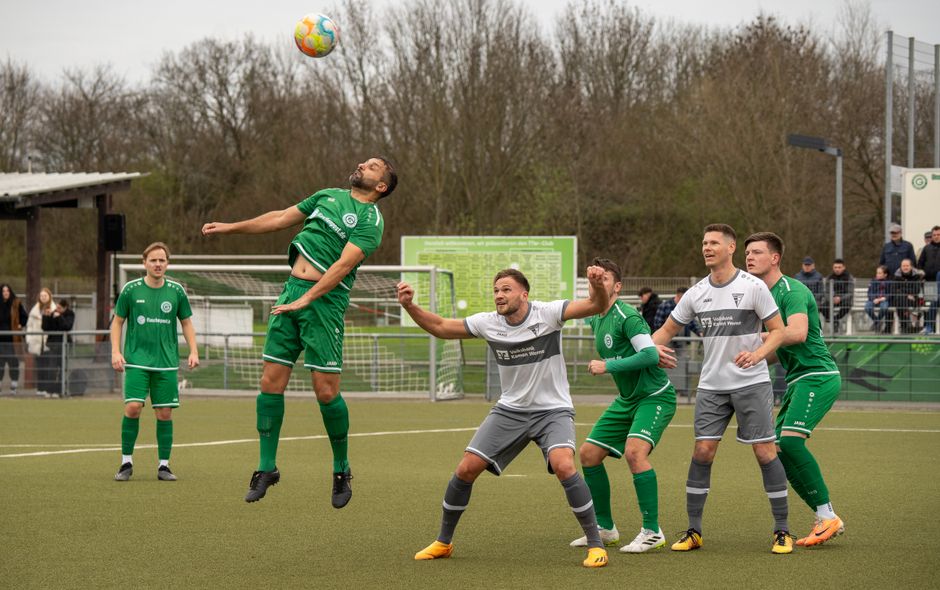
by Good football heading technique is less about hitting the ball as hard as possible and more about reading its flight, arriving at the right time, and directing it with control. A player who keeps their eyes on the ball, uses the forehead correctly, and coordinates the neck, torso, and legs can win more aerial duels and make more accurate headers.
The basic football heading technique
The safest and most consistent contact point is the broad central area of the forehead, above the eyebrows and below the hairline. Avoid using the top or side of the head, and never close your eyes before contact.
- Track the ball early: Judge its height, speed, spin, and landing point as soon as it is crossed or passed.
- Adjust your feet: Use small steps instead of standing flat-footed. Your final step should help you move into the ball.
- Set your body: Keep your feet about shoulder-width apart, bend your knees slightly, and maintain balance through your hips.
- Keep your eyes open: Watch the ball until it reaches the forehead. This improves both timing and contact.
- Move through the ball: Use the legs, hips, upper body, and neck together. A controlled forward movement produces power without relying only on the neck.
- Direct the finish: Turn the forehead and upper body toward the intended target rather than simply making contact.
The neck should be firm at impact, but it should not be forced or held rigidly. The movement should come from coordinated whole-body action.
How to direct an accurate header
To head the ball down, contact the lower half of the ball while leaning slightly forward. This is useful for an attacking header because a downward ball is harder for a goalkeeper to reach than one travelling at chest height.
To send the ball up and away, get underneath it and contact the lower portion while controlling your body angle. Defenders often use this option to clear a cross, although distance and direction still matter. A clearance straight into the middle of the pitch can create another chance for the opponent.
For a header across goal, angle the forehead and shoulders toward the far post. Do not twist only the neck. The hips and upper body should help create the direction. For a flick-on, use a small glance of the forehead rather than a large swinging motion.
Attacking, defensive, and passing headers
Attacking headers
Attack the space where the ball is going to arrive instead of waiting underneath it. Take off from a balanced position, use the arms for lift and protection without pushing an opponent, and try to head down or across the goalkeeper. A late run from behind a defender can make the timing more difficult to track.
Defensive headers
Prioritise distance, height, and a safe area of the pitch. If there is pressure behind you, a sideways or high clearance may be safer than attempting a controlled pass. Communication also matters: a clear call can prevent two defenders from challenging for the same ball.
Headers for teammates
A cushioned header uses less power. Relax the contact slightly and angle the forehead so the ball drops toward a teammate rather than bouncing away. This is useful when bringing down a long ball or setting up a second-ball attack.
Timing the jump and dealing with opponents
Jumping early often causes a player to meet the ball before it reaches the best contact point. Wait until the flight becomes clearer, then drive upward from one or both legs. Your eyes should identify the ball’s path before your feet leave the ground.
Use your arms to maintain balance, but do not extend an elbow, shove an opponent, or challenge from a dangerous position. In youth football and crowded penalty areas, mistimed challenges can cause head, face, or neck injuries. If an aerial challenge feels uncontrolled, staying grounded and defending the landing zone may be the better decision.
Drills for improving how to head a football
Start with low-intensity practice and a soft or appropriately inflated ball. A partner can underarm the ball from a short distance while you focus on forehead contact and direction.
- Stationary accuracy drill: Head gentle throws into a marked target on a wall or toward a teammate.
- Movement drill: Begin several steps away, adjust to a lofted pass, and head into a wide target area.
- Crossing drill: Make a delayed run toward the near or far post and practise heading down or across goal.
- Defensive clearance drill: Meet a high ball under pressure and clear toward a designated sideline or safe teammate.
- Decision drill: Alternate between attacking, cushioning, and clearing headers so the exercise develops judgment rather than just contact.
Short, frequent sessions are more useful than repeatedly heading hard balls when technique is breaking down. Coaches should control the number of high-force contacts, particularly for young players.
Common heading mistakes
- Closing the eyes: This causes late or off-centre contact.
- Using the top of the head: The ball becomes difficult to control and may travel unpredictably.
- Waiting under the ball: The player loses momentum and often makes contact behind the body.
- Relying only on the neck: This reduces power and can create unnecessary strain.
- Leaning backwards: The ball usually rises instead of travelling toward the intended target.
- Clearing without a target: A powerful header can still be a poor decision if it goes to an opponent.
Heading safety and concussion awareness
Stop playing after a significant head impact if there is dizziness, confusion, headache, nausea, unusual tiredness, blurred vision, loss of balance, or memory difficulty. A player with possible concussion should be assessed by a qualified healthcare professional and should not return to play simply because symptoms briefly improve.
Training should build technique progressively. Use suitable spacing, avoid unnecessary repeated high-force headers, and follow the rules and medical guidance used by the team or competition. In Nigeria’s heat, fatigue can also reduce timing and decision-making, so water breaks and sensible session planning help maintain safe technique.
Frequently asked questions about football heading technique
Which part of the head should contact the ball?
Use the central forehead above the eyebrows. It offers a broad, firm contact area and gives you better control than the crown or side of the head.
How can I head the ball farther?
Improve your approach, timing, leg drive, hip movement, and upper-body coordination. Striking harder with the neck alone is less effective and may increase discomfort.
Why do my headers keep going upwards?
You may be leaning backwards or contacting the underside of the ball. Keep your eyes on the ball, move into the contact, and angle your forehead and chest toward the target.
Should beginners practise heading with a hard ball?
Begin with gentle throws and controlled service. Increase speed and distance only after the player can consistently track the ball, make forehead contact, and land in balance.