 by
by Beach wrestling is a short, high-intensity form of wrestling contested on sand. Under standard United World Wrestling rules, a bout is normally decided when one wrestler reaches 3 points or leads when the time limit expires. Competitions may publish local variations, so athletes in Nigeria should check the event notice for age groups, weigh-in procedures and scoring details before competing.
Beach wrestling match format
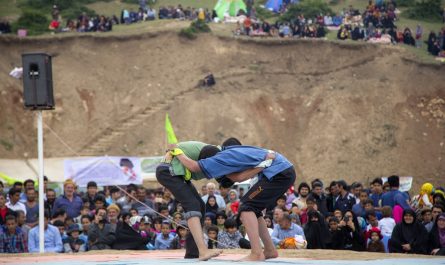
A standard beach wrestling match takes place inside a marked circular area on the sand. The competition area is commonly 7 metres in diameter, with a smaller central starting zone. Wrestlers compete barefoot or in the footwear permitted by the event rules, wearing approved wrestling singlets or beach-wrestling clothing.
The usual match duration is 3 minutes. The wrestler who reaches 3 points first wins immediately. If neither competitor reaches the target, the wrestler with more points wins when time expires. Tournament regulations can change the duration or scoring target for children, cadets, veterans or special events.
Before the bout, competitors report for weigh-in and equipment checks. A referee then brings them to the centre, checks that they are ready and starts the match. Athletes must follow the referee’s commands, remain within the contest area and avoid delaying the action.
How beach wrestling scoring works
The exact application of scoring depends on the official rules used at the event, but the main beach wrestling scoring actions are:
- Takedown: A wrestler earns a point by bringing the opponent down and controlling the action in a recognised scoring position.
- Push-out: A point is awarded when a wrestler forces the opponent outside the active wrestling area.
- Back exposure: A more valuable score may be awarded when an attacking wrestler exposes the opponent’s back to the sand in accordance with the referee’s criteria.
A clean throw is not automatically worth more simply because it looks spectacular. The referee scores the position created by the action. Control, exposure and whether the opponent leaves the area determine the result.
If the score is tied, officials use the competition’s approved tie-breaking procedure. This can involve the last scoring action or other criteria stated in the event regulations. Competitors should not assume that every tournament resolves a tie in exactly the same way.
Legal techniques and prohibited actions
Beach wrestling allows standing attacks, trips, throws and takedowns that can be performed safely on sand. A competitor may use the opponent’s body to bring them down, but the action must remain within the boundaries of legal wrestling technique.
Common fouls include striking, kicking, head-butting, biting, twisting fingers, attacking the eyes or throat, using an illegal hold and deliberately fleeing the wrestling area. Dangerous throws, neck pressure and actions designed to injure an opponent can also lead to a warning, loss of points or disqualification.
Grabbing clothing in a way that breaches the event rules, applying excessive force to a joint and refusing to engage may also be penalised. The referee can stop the bout when a wrestler is in danger, after a foul or when medical attention is needed.
What counts as winning?
A wrestler wins by reaching the required point total, finishing ahead at the end of regulation time, receiving a forfeit or benefiting from an opponent’s disqualification. If an opponent cannot continue because of injury, the referee and medical officials apply the tournament’s injury procedure.
A wrestler who steps outside the circle is not necessarily penalised. The key question is whether the opponent forced the exit or the wrestler deliberately left to avoid action. A forced push-out can score, while intentional fleeing can result in a caution or penalty.
Beach wrestling rules athletes should confirm before entering
The phrase “beach wrestling rules” can refer to either the international UWW rules or a local competition rulebook. Before entering an event in Nigeria, confirm:
- the recognised governing body and rule set;
- match duration and the points target;
- weight classes, age categories and weigh-in timing;
- approved clothing, footwear and protective equipment;
- how tied scores and injury stoppages are decided;
- registration, medical clearance and safeguarding requirements.
This check matters because school, club and festival competitions may simplify the scoring system or use different match lengths. The event’s official notice takes priority over a general explanation of beach wrestling regulations.
Frequently asked questions
How many points are needed to win beach wrestling?
Under the standard international format, the first wrestler to reach 3 points wins the bout. The match can also end on time if neither wrestler reaches that total.
How long is a beach wrestling match?
A standard senior bout is commonly 3 minutes. Youth and local competitions may use a different duration.
Can wrestlers leave the circle?
They may be pushed out during a legal exchange, which can produce a point. Deliberately stepping out to avoid wrestling can be penalised.
Are beach wrestling rules the same as freestyle wrestling rules?
No. Beach wrestling uses a sand circle, shorter bouts and a compact scoring format. Some techniques and principles are shared with freestyle wrestling, but the competition rules are not identical.
Where can Nigerian athletes verify the rules?
Check the competition announcement, the national wrestling federation or the organising body before travelling. Ask specifically for the current rulebook, timetable, weigh-in instructions and any local modifications.