 by
by Cricket is played between two teams of 11 players. One team bats and tries to score runs, while the other bowls and fields to limit those runs and dismiss the batters. After the scheduled innings, the team with more runs wins.
The basic cricket rules are the same across the sport, but the number of overs, fielding restrictions, and some match procedures depend on the format. This explanation covers how cricket is played, how runs are scored, how batters are dismissed, and what changes between Test, One Day International, and T20 matches.
How a cricket match works
Before play, the two captains toss a coin. The captain who wins chooses whether to bat or field first. The decision often depends on the pitch, weather, dew, and how easy the ball is expected to be to hit later in the match.
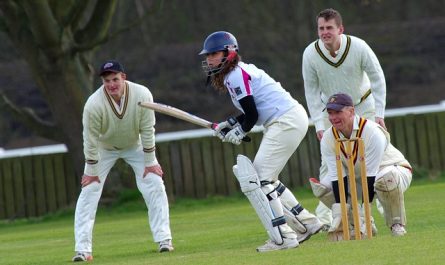
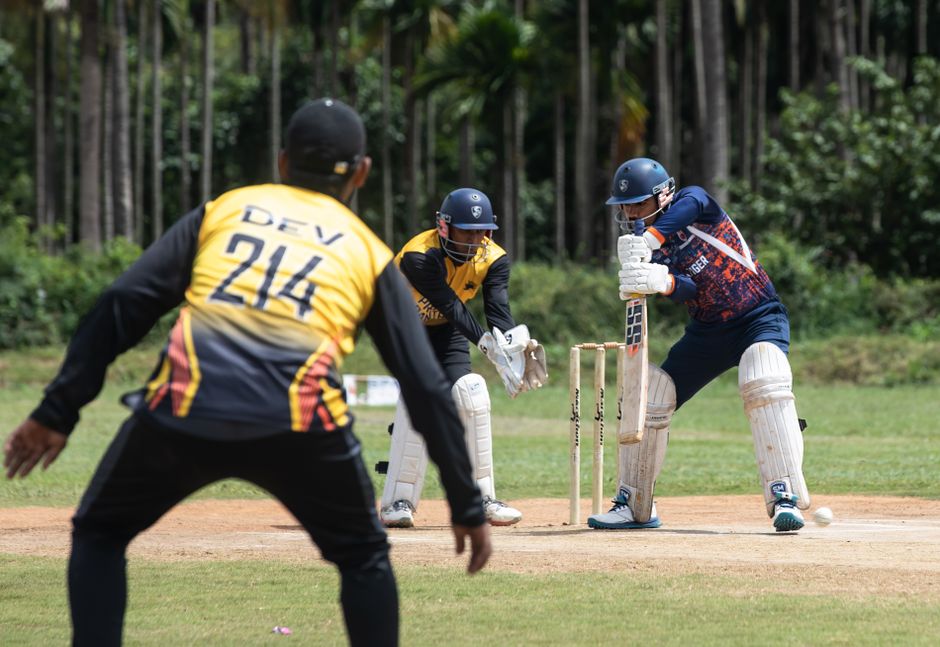
Each team has 11 players, although only two batters are on the field at a time. They stand at opposite ends of a 22-yard pitch. The bowler delivers the ball from one end, and the striker attempts to hit it with a bat. The non-striker waits at the other end.
After a delivery, the two batters can run to the opposite crease. Every completed run changes their ends. If they cross twice and both reach the safe ground behind their creases, they score two runs. They can continue running until the fielding team returns the ball and breaks the wicket.
An innings ends when the batting team loses 10 wickets, reaches its over limit, or declares in a match where declarations are permitted. A team can also be unable to continue because only one batter remains available.
Overs, deliveries, and cricket scoring rules
An over consists of six legal deliveries by one bowler. The next over is bowled from the opposite end by a different bowler. A bowler cannot normally bowl two consecutive overs, and the maximum number of overs one bowler may deliver depends on the competition format.
Batters score runs in several ways:
- Running between the wickets: The batters complete runs after hitting the ball or, in some situations, after it contacts their body.
- Boundary four: The ball reaches or crosses the boundary after touching the ground, usually scoring four runs.
- Boundary six: The ball crosses the boundary without touching the ground inside the field, scoring six runs.
- Extras: Runs awarded without being credited to the striker’s personal score.
A batter’s score and the team’s total are not always the same. For example, if a batter hits a four, four runs are added to the batter’s score. If a delivery is wide and travels to the boundary, the batting team receives five wides, but none of those runs count to the batter.
Wides, no-balls, byes, and leg byes
The main extras in cricket are:
- Wide: A ball is too far from the batter to be played normally. The batting side receives at least one run, and the delivery does not count as one of the six legal balls in the over.
- No-ball: The bowler breaks a delivery rule, such as overstepping the crease. The batting side receives at least one run, and the delivery must usually be bowled again.
- Bye: The batters run after the ball passes the bat and does not touch the striker’s body. The runs are recorded as byes.
- Leg bye: The ball touches the batter’s body, but the batter did not deliberately use the body to strike it. The umpire must also judge that the batter either attempted a shot or tried to avoid the ball, subject to the Laws.
Competition rules can add special conditions for wides, no-balls, free hits, and short runs. Players and viewers should check the regulations for the specific tournament rather than assuming every match uses identical playing conditions.
Cricket batting rules and dismissals
A batter is dismissed when the fielding team legally completes one of the recognised methods of getting a wicket. The dismissed batter leaves the field, and the next batter comes in. Here are the dismissals most commonly seen in matches:
- Bowled: The delivered ball hits the wicket and dislodges at least one bail, unless another rule prevents the dismissal.
- Caught: A fielder catches the ball before it touches the ground after the ball has touched the bat or a hand holding the bat.
- Leg before wicket: The ball hits the batter instead of the bat, and the umpire decides that the legal conditions for LBW are met. The ball’s line, its expected path toward the stumps, and whether the batter played a shot all matter.
- Run out: A fielder breaks the wicket with the ball while a batter is outside the crease and not protected by another rule.
- Stumped: The wicketkeeper breaks the wicket while the striker is out of the crease and is not attempting a run, usually after missing the ball.
- Hit wicket: The batter breaks their own wicket with the bat or body during the act of receiving the ball or beginning a run.
Less common dismissals include obstructing the field, timed out, retired out, hitting the ball twice in prohibited circumstances, and handling the ball under the relevant Laws. A batter cannot be dismissed simply because a fielder catches a ball that touched only the batter’s body; the conditions for a catch must be satisfied.
Bowling and fielding rules
The bowler must deliver the ball from within the prescribed area at the bowler’s end. The umpire can call a no-ball for actions such as overstepping the popping crease or delivering in a way that breaches the competition’s height and safety conditions. The exact limits for bouncers and dangerous deliveries vary by format and playing conditions.
Fielders may stop the ball with their hands or body, but they must not deliberately use unfair methods to distract the batter or interfere with play. The wicketkeeper is the only fielder normally positioned behind the striker’s wicket and wears gloves and protective equipment.
Modern limited-overs matches include fielding restrictions that control how many fielders can stand outside the inner circle during parts of an innings. These restrictions are not identical in every competition. T20 leagues, international one-day matches, and domestic competitions may use different powerplay timings and boundary limits.
How Test, ODI, and T20 rules differ
The central laws remain similar, but the format changes the tactics and the length of the match.
- Test cricket: Each team can bat twice, and a match is scheduled over up to five days. There is no fixed over limit for an innings, although teams must meet daily over requirements. A captain may declare an innings closed, and a team can win by runs, wickets, or an innings.
- One Day International cricket: Each team normally has one innings of up to 50 overs. The team with the higher total wins, provided the match reaches a result under the competition’s regulations.
- T20 cricket: Each team normally has one innings of up to 20 overs. The shorter format places more emphasis on power hitting, quick running, bowling variations, and fielding restrictions.
Rain can reduce the number of overs in a limited-overs game. In many competitions, a revised target is calculated using an approved method such as Duckworth-Lewis-Stern. The exact minimum number of overs needed for a result and the tie-break procedure are set by the tournament regulations.
Common questions about cricket rules
How many players are on a cricket team?
Each side has 11 players on the fielding team. A batting innings uses two batters at a time, while the remaining players wait to bat in order.
Why does a wide not count as a ball in the over?
A wide is not a legal delivery because it is judged too far from the striker to be played normally. The batting team receives the penalty run, but the bowler must deliver another ball so the over still contains six legal deliveries.
What is the difference between a run out and a stumping?
A run out can happen to either batter when a wicket is broken while that batter is out of the crease. A stumping applies to the striker, usually when the wicketkeeper removes the bails while the striker is out of the crease and not trying to run.
Can a match end in a tie?
Yes. A tie occurs when both teams complete their innings with exactly the same score in a match where a tie is possible. Limited-overs competitions may use a Super Over or another approved tie-breaker, while some matches can end as a draw because time runs out without a winner.
These cricket rules provide the framework for most matches, but tournament playing conditions can add format-specific details. The umpire’s decisions, the official Laws of Cricket, and the competition regulations determine how unusual situations are handled.