 by
by Basketball strength training is not simply about lifting the heaviest weight possible. The useful goal is to produce force quickly, control the body while changing direction, absorb contact safely and repeat those actions throughout a game. For Nigerian players, the same principles apply whether training in a commercial gym, a school facility or with limited equipment at home.
A sound basketball strength programme combines lower-body strength, single-leg control, trunk stability, upper-body strength and explosive work. It should also fit around court practice, matches, school or work, sleep and the heat in many parts of Nigeria.
What basketball strength training should improve
Strength training supports several basketball actions, but each adaptation has a different purpose:
- Acceleration and jumping: Strong hips, thighs and calves help a player apply force against the floor. Maximum strength alone does not guarantee a higher jump; the player must also learn to express force quickly.
- Deceleration: The ability to slow down under control protects positioning and helps reduce unnecessary stress during stops, cuts and landings.
- Contact tolerance: Strong legs, hips, shoulders and trunk help a player maintain balance when boxed out or challenged near the basket.
- Single-leg stability: Basketball is full of split stances, one-foot take-offs and uneven landings. Exercises using one leg can expose control problems that bilateral lifts may hide.
- Repeated efforts: Appropriate strength and power work can make repeated accelerations less mechanically costly, although it does not replace basketball conditioning.
These benefits are related but not identical. A slow, heavy squat can develop force production, while a jump or medicine-ball throw trains faster force expression. Both may be useful, but neither should occupy the entire programme.
Exercises that build a basketball-specific foundation
Lower-body strength
Choose one primary squat or leg-press pattern and one hip-dominant pattern. Goblet squats, front squats, split squats, Romanian deadlifts, hip thrusts and trap-bar deadlifts are practical options. The best choice depends on technique, equipment, injury history and coaching access.
For many developing players, split squats and reverse lunges are particularly useful because they train each side separately while requiring balance. They should not automatically replace bilateral lifting; using both types gives the athlete exposure to different force demands.
Calves, ankles and landing control
Calf raises, tibialis raises, controlled snap-downs and low-level landing drills can support ankle stiffness and body control. The purpose is not to make every session a plyometric workout. Jump volume should increase gradually, with attention to quiet landings, knee alignment and stable positions before the next movement.
Upper body and trunk
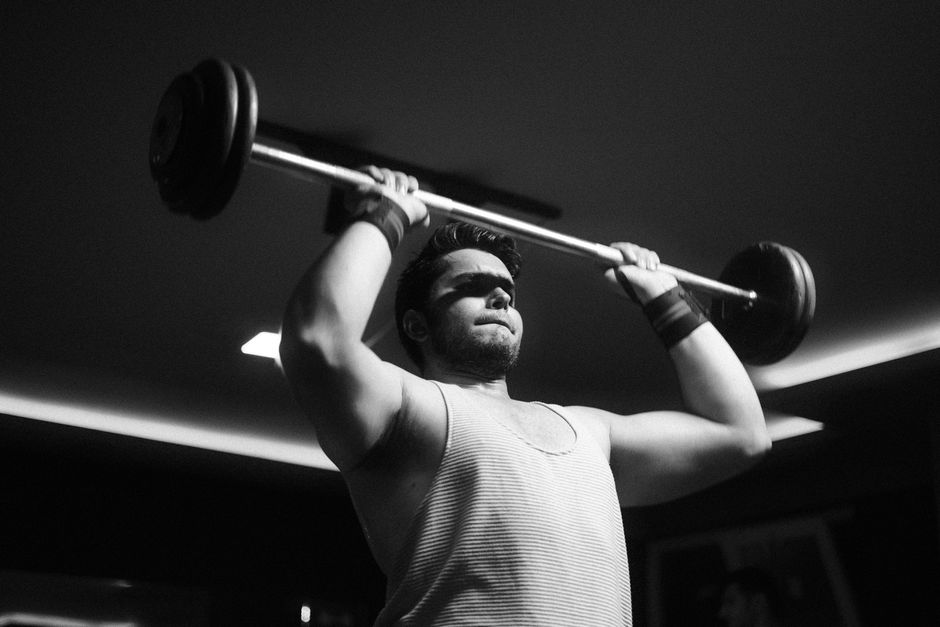
Press-ups, dumbbell presses, rows, pull-ups, carries and landmine presses can develop useful upper-body strength without turning the programme into bodybuilding work. Pulling exercises help balance pressing volume and train the muscles involved in controlling the shoulder blade.
Trunk training should include resisting movement, not only performing repeated abdominal curls. Planks, side planks, Pallof presses, suitcase carries and controlled dead-bug variations train the athlete to maintain position while the limbs move. This can help with contact, balance and force transfer, but it cannot guarantee protection from injury.
How to structure a basketball strength programme
A player with two weekly court sessions may begin with two strength sessions. A common arrangement is a lower-body emphasis session after a lighter court day and a full-body session separated from the hardest game or scrimmage. The schedule should protect the quality of jumping, sprinting and skill practice.
| Session | Example emphasis | Possible exercises |
|---|---|---|
| Strength A | Squat, single-leg control and pulling | Goblet or front squat, split squat, row, calf raise, side plank |
| Strength B | Hip strength, pressing and power | Romanian deadlift, press-up, hip thrust, medicine-ball throw, carry |
Each session can start with a warm-up, followed by a small amount of explosive work while the player is fresh. Strength exercises then come before assistance exercises. A warm-up may include light skipping, mobility for the hips and ankles, movement rehearsal and a few submaximal jumps. It should prepare the actual session rather than create fatigue.
Sets, repetitions and effort
There is no single correct basketball weightlifting programme, but a useful starting range is two to four working sets of four to eight repetitions for major strength exercises. Assistance exercises may use two to three sets of eight to fifteen repetitions. Power exercises usually require fewer repetitions, often two to five per set, with full recovery and technically sharp movement.
Beginners should leave several technically good repetitions in reserve instead of training to failure. When all prescribed repetitions are completed with stable technique and no significant slowing, a small increase in resistance may be appropriate. Adding weight is not compulsory if the player is still learning the movement or recovering from a demanding week.
Strength training for basketball players at different stages
New or returning players
Start with movement quality, regular practice and manageable soreness. Bodyweight squats, press-ups, rows using safe equipment, lunges, hip hinges and carries can provide a sufficient stimulus at first. Returning players should rebuild tolerance gradually rather than copying the workload of a fully conditioned teammate.
School and academy players
Young athletes benefit from supervision, simple exercise selection and gradual progression. Resistance training does not inherently stunt growth when it is appropriately coached and loaded. Poor technique, unsupervised maximal attempts and excessive fatigue are the more relevant concerns. A qualified coach should adapt exercises to the athlete’s age, training experience and medical status.
Experienced players
More advanced players can use heavier compound lifts, faster medicine-ball work and more precise fatigue management. The objective remains performance on court. A larger gym workload is not automatically better if it reduces sprint quality, shooting practice or recovery before competition.
Managing training in Nigeria’s conditions
Heat and humidity can increase perceived effort and fluid loss, especially in poorly ventilated gyms or outdoor courts. Train at a cooler time when possible, use breathable clothing, take sensible drink breaks and avoid treating dizziness, confusion, unusual weakness or severe cramps as normal training discomfort. Hydration needs vary with body size, sweat rate, session length and the local environment; a coach or sports-health professional can help an athlete with repeated problems.
Limited equipment does not prevent useful strength work. A backpack with securely distributed books, resistance bands, water containers and bodyweight exercises can train several movement patterns. Improvised loads must be stable and easy to release. Do not use damaged furniture or unstable objects for heavy exercises.
Recovery also has practical limits. Transport, school schedules, shared facilities and inconsistent sleep can affect the plan. Two consistent, moderate sessions are generally more useful than an ambitious schedule that repeatedly causes missed court practice.
Common mistakes in basketball gym training
- Chasing soreness: Soreness is not a reliable measure of an effective session. Severe soreness can interfere with movement and practice.
- Training only the mirror muscles: A programme focused on pressing and arm work misses the hips, legs, back and trunk that support basketball movement.
- Adding plyometrics without reducing other volume: Jumps, sprints and hard scrimmages all create lower-body stress. Their total should be considered together.
- Testing maximum lifts too often: Frequent max attempts add fatigue and technical risk without being necessary for most players.
- Using advanced exercises before basic control: Complex lifts are not automatically more specific or more effective. A well-executed split squat may be more useful than a poorly performed advanced variation.
- Ignoring pain: Normal effort and mild training fatigue differ from sharp, worsening or persistent pain. The latter requires stopping the provoking exercise and seeking appropriate assessment.
Frequently asked questions
How many days a week should a basketball player lift weights?
Two sessions per week suit many recreational, school and developing players. Experienced athletes may use three sessions during suitable training periods, while in-season players may reduce volume to preserve freshness. The answer depends on court workload, recovery and competition timing.
Will strength training make a basketball player slower?
Strength training does not automatically reduce speed. Excessive fatigue, unnecessary body-mass gain, poor exercise selection or too little sprint and jump practice can hurt movement quality. A balanced programme develops strength while retaining fast, technically clean actions.
Should basketball players lift before or after practice?
The priority determines the order. If strength or power is the main priority, lift when reasonably fresh. If basketball skill quality matters most that day, court practice may come first. Avoid placing a demanding leg session immediately before an important game or high-quality sprint session.
Can home workouts improve basketball strength?
Yes, particularly for beginners and maintenance periods. Single-leg exercises, tempo work, bands, loaded carries and controlled push-ups can be challenging. Progress eventually requires more resistance, more difficult variations, greater range of motion or carefully increased volume.
What should a player do if knee or back pain appears?
Stop or modify the movement that provokes the pain, record when it occurs and seek assessment if symptoms persist, worsen or affect walking, jumping or daily activity. A general basketball workout plan should not be used to diagnose an injury.