 by
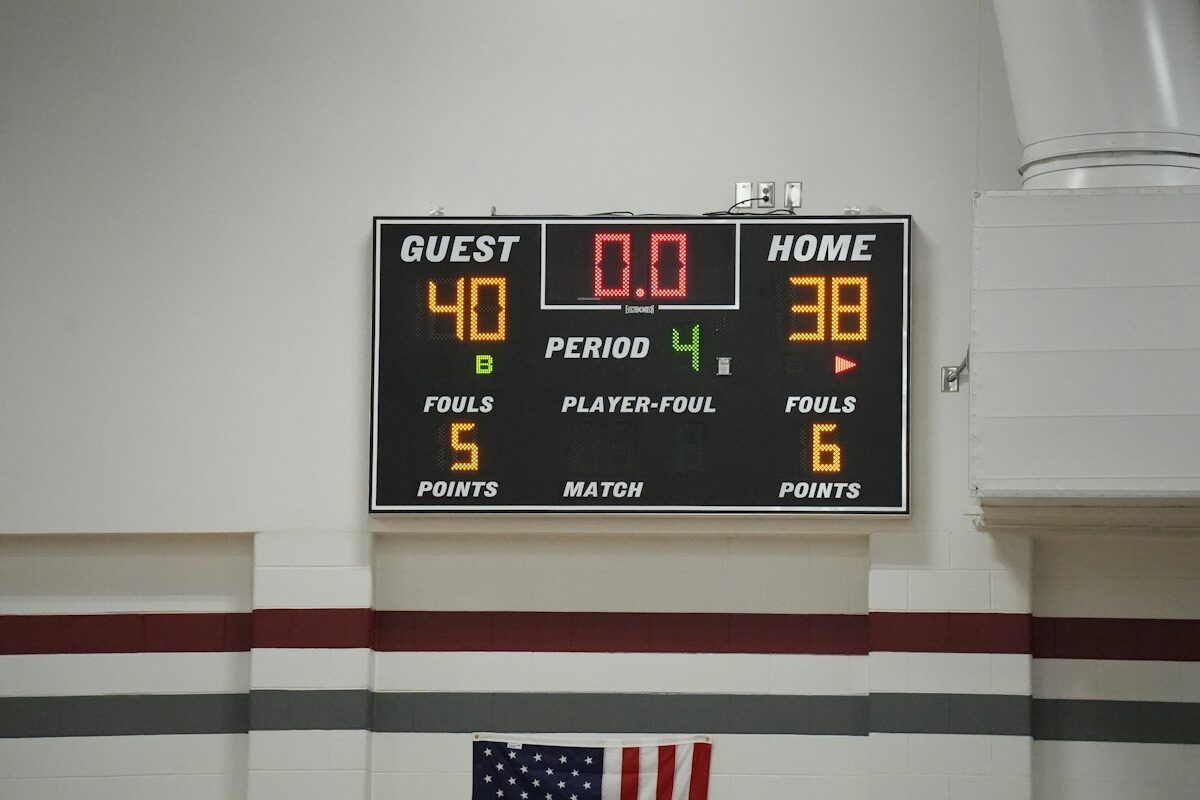
by Basketball shot clock rules limit how long a team may control the ball before attempting a shot. In most senior basketball, the main limit is 24 seconds. The clock prevents teams from holding the ball indefinitely and keeps the game moving.
For Nigerian leagues and international competitions, FIBA rules are usually the most relevant reference. The NBA has similar timing but applies different reset rules in some situations.
How the 24-second shot clock works
A team must attempt a shot before the 24-second shot clock expires. The shot must leave the shooter’s hand before the horn sounds. It must then touch the rim or go through the basket. A shot released after the horn is a shot-clock violation, even if it later goes in.
If the ball touches the rim and the attacking team gains control of the rebound, the FIBA shot clock is reset to 14 seconds. If the defending team gains control, its possession begins with 24 seconds.
The shot clock starts when a team gains control of the ball on the court. A loose ball, a deflection or a pass that nobody controls does not normally start a new team possession until a player establishes control.
When the clock resets to 24 seconds
A 24-second reset normally applies when the defending team gains control after a missed shot. It also applies when the attacking team receives the ball in its backcourt after certain defensive actions, such as a defensive foul, a kicked ball or a defensive violation.
For example, if a defender deflects a pass out of bounds and the attacking team receives a throw-in in the backcourt, the team generally gets a fresh 24 seconds under FIBA rules. The exact result can depend on the location of the throw-in and the type of stoppage.
When the clock resets to 14 seconds
The 14-second reset is designed to prevent a team from gaining too much extra time after an attacking rebound or a defensive stoppage in the frontcourt.
- Offensive rebound: If the shot touches the rim and the same team controls the rebound, the clock goes to 14 seconds.
- Frontcourt defensive foul: Under FIBA rules, a defensive foul that results in a frontcourt throw-in generally gives the attacking team 14 seconds.
- Frontcourt defensive violation: A kicked ball or similar defensive violation can produce a 14-second reset when the attacking team keeps possession in the frontcourt.
- Ball out of bounds off the defense: If the attacking team keeps the ball in the frontcourt after defensive contact or deflection, the reset is commonly 14 seconds.
The clock does not automatically reset to 14 seconds after every whistle. Officials consider the previous possession, the court location and whether the ball touched the rim.
FIBA and NBA shot clock differences
FIBA and NBA basketball both use a 24-second shot clock and a 14-second reset after an offensive rebound. The most noticeable differences appear after defensive fouls and violations.
| Situation | FIBA approach | NBA approach |
|---|---|---|
| Defensive team gains control | 24 seconds | 24 seconds |
| Offensive rebound after the ball touches the rim | 14 seconds | 14 seconds |
| Defensive foul in the frontcourt | Usually 14 seconds for a frontcourt throw-in | Often keeps the existing time if more than 14 seconds remain; otherwise 14 seconds |
| Ball returned to the backcourt after a defensive action | Generally 24 seconds | Generally 24 seconds |
These differences matter when comparing a FIBA competition in Nigeria with NBA broadcasts. A commentator may describe the same type of foul but apply a different reset depending on the rule set being used.
What happens when the shot clock reaches zero?
If the team has not released a valid shot before the horn, the officials call a shot-clock violation. The opposing team is awarded a throw-in, normally from the place specified by the competition rules.
A shot does not need to score to avoid the violation. It only needs to leave the shooter’s hand before the horn and touch the rim. If the ball misses the rim, the officials may still call a violation unless the defensive team clearly gained control before the clock expired.
If the defense blocks the shot before the horn and the attacking team recovers the ball, the play continues. The clock is reset according to the applicable possession rule. A blocked shot is not automatically a shot-clock violation.
Common situations that confuse players and viewers
Inbounding with only a few seconds left
The clock does not usually start merely because the referee hands the ball to the inbounder. It starts when a player legally touches the ball on the court. A team must still release a shot before the remaining time expires.
A shot that touches the rim at the horn
The ball must have left the shooter’s hand before the horn. If it touches the rim after the horn, the officials first decide whether the release was timely. A made basket does not count if the release came too late.
A foul before the shot
A defensive foul can stop the clock and change the remaining time, but the reset depends on the competition’s rules. In FIBA basketball, the frontcourt or backcourt location is especially important. In the NBA, the amount of time already showing can affect whether the clock stays unchanged or moves to 14 seconds.
A held ball
After a held ball, the possession arrow determines which team receives the ball in FIBA play. If the attacking team keeps possession, the shot clock is adjusted according to the location and circumstances rather than automatically returning to 24 seconds.
How to read the shot clock during a game
Use three questions to understand almost every reset: Which team controlled the ball, did the ball touch the rim, and where will the next throw-in take place?
- If the defense controls the rebound, expect 24 seconds.
- If the offense gets a rebound after a rim contact, expect 14 seconds.
- If a defensive foul or violation stops a frontcourt possession, check the competition’s specific reset rule.
- If the ball goes to the backcourt after a defensive action, a 24-second reset is commonly used.
For official games, the table operator and referee crew use the competition’s rulebook and instant-replay procedures where available. Local competitions may also publish regulations that clarify how their shot-clock equipment and timing procedures are handled.
Basketball shot clock rules: quick answers
How many seconds does a basketball team have to shoot?
Most senior basketball competitions give a team 24 seconds to attempt a shot. The shot must leave the player’s hand before the horn and touch the rim or go in.
Why does the shot clock reset to 14 seconds?
It resets to 14 seconds after an offensive rebound following rim contact. In FIBA basketball, it can also reset to 14 seconds after certain defensive fouls or violations when the attacking team keeps the ball in the frontcourt.
Does a blocked shot reset the clock?
Not by itself. The reset depends on what happens next. Defensive control usually creates a new 24-second possession, while attacking control after a rim contact may create a 14-second possession.
Are NBA and FIBA shot clock rules identical?
No. Both use 24 seconds and a 14-second offensive-rebound reset, but their rules after frontcourt defensive fouls and some violations are different.