 by
by To play cricket in Nigeria, start by joining a school team, community club, workplace side or local training session connected to the Nigeria Cricket Federation or a state cricket association. You do not need expensive equipment or previous experience at the beginning. Most new players can learn the basic skills with a bat, a tennis ball or training ball, and regular practice.
Where to find cricket in Nigeria
Cricket is played in several parts of Nigeria, including Lagos, Abuja, Kaduna, Benin City, Ibadan and other locations with schools, clubs and organised competitions. Availability can change by city, so the most reliable approach is to ask the Nigeria Cricket Federation, your state sports authority, nearby schools or established local cricket clubs about current training sessions.
Useful places to check include:
- Schools and universities: Many players first learn cricket through a school sports programme or university team.
- Local cricket clubs: Clubs usually provide regular practice and opportunities to meet players of different skill levels.
- Community and workplace teams: These teams can be a practical entry point for adults who are new to the sport.
- Talent development programmes: Youth clinics, state competitions and federation activities may offer structured coaching.
Before travelling to a ground, confirm the training day, age group, fees, equipment requirements and whether beginners are accepted. Social media pages and direct messages can be useful, but verify that the organiser is genuine and that the venue is currently active.
What you need to start playing cricket
A beginner does not need a complete cricket kit immediately. Start with comfortable sports clothing, trainers, water and access to a bat and ball. A soft training ball or tennis ball is often more suitable than a hard leather cricket ball for first sessions.
As you continue, the usual equipment includes:
- Cricket bat
- Cricket balls suited to the level of play
- Batting gloves and protective pads
- Helmet for batting against faster bowling
- Thigh guard, abdominal protection and arm protection where appropriate
- Wicketkeeping gloves and pads for wicketkeepers
- Cricket shoes with suitable grip
Ask a coach before buying a bat. The correct weight and size depend on your age, height, strength and playing position. Clubs may also lend shared equipment, which lets you learn the sport before making a large purchase.
Cricket basics every new player should learn
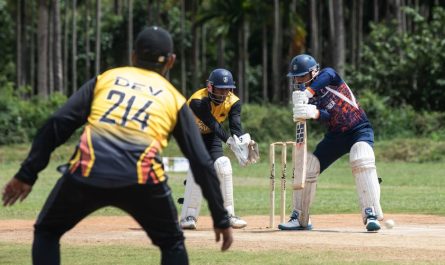
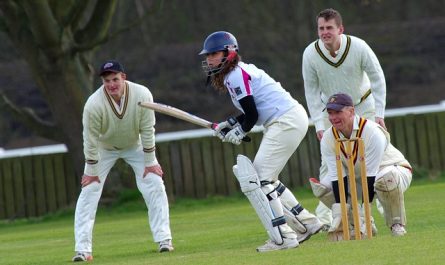
Cricket is played between two teams. One team bats while the other bowls and fields. The batting team scores runs by hitting the ball and running between two sets of wooden stumps, called wickets. The fielding team tries to stop runs and dismiss the batters.
The main roles are:
- Batter: Protects the wicket and scores runs by hitting the ball.
- Bowler: Delivers the ball towards the batter and tries to take a wicket.
- Wicketkeeper: Stands behind the stumps to catch the ball and help dismiss batters.
- Fielder: Stops the ball, catches it and returns it quickly to prevent runs.
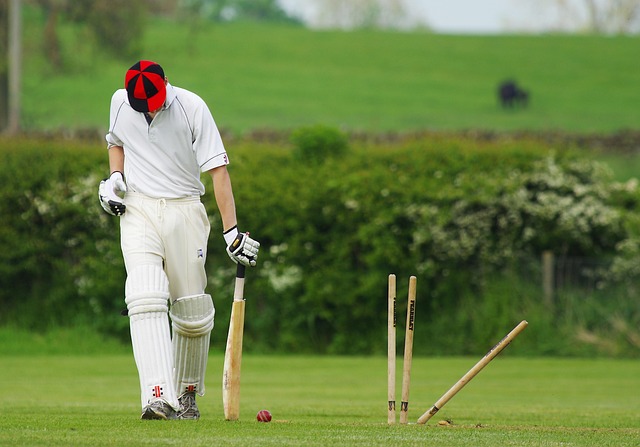
A team can dismiss a batter in several ways, including being bowled, caught, run out, stumped or given out leg before wicket. Beginners usually start with short practice games, simplified rules and tennis-ball cricket before moving to longer matches and harder balls.
How to improve as a beginner in Nigeria
Attend training consistently and practise one skill at a time. Batters should work on a balanced stance, watching the ball closely and making controlled defensive shots before attempting powerful strokes. Bowlers should learn a repeatable run-up, a legal delivery action and accurate line and length. Fielders can improve quickly through catching, throwing and ground-fielding drills.
Fitness also matters. Short sprints, mobility work, coordination exercises and basic strength training help with running between wickets, bowling and fielding. In hot conditions, carry water, use sun protection and take breaks when necessary. Coaches should adjust sessions for weather, age and playing experience.
Keep a simple record of the skills you practise and ask for specific feedback. A useful target might be improving catching technique, bowling six legal deliveries in an over or running safely between the wickets, rather than trying to master every part of cricket at once.
How to move from casual cricket to competition
After learning the basics, ask your coach about friendly matches, school competitions, university fixtures, state events and club tournaments. Playing matches teaches skills that training alone cannot provide, such as judging singles, setting a field, managing pressure and communicating with teammates.
Players who want a more formal pathway can discuss age-group cricket, state selection and national development opportunities with their club or state association. Selection requirements vary, so ask about registration, eligibility, trial dates and the competition format currently used in your area.
Common questions about playing cricket in Nigeria
Can I learn cricket as an adult?
Yes. Adults can begin through a community club, workplace team, social cricket group or beginner training session. You can start as a batter, bowler, fielder or wicketkeeper and develop a specialist role over time.
Can I play cricket without owning equipment?
Often, yes. Many clubs and organised sessions have shared bats, balls and protective equipment. Ask what is provided before attending, and avoid using borrowed protective equipment without checking that it fits correctly.
Is cricket expensive to play in Nigeria?
The cost depends on the club, location and level of competition. Introductory sessions may require little more than transport and sports clothing, while regular players may later pay for membership, coaching, travel and personal protective equipment. Borrowing or buying used equipment can reduce the initial cost.
How can a child start playing cricket in Nigeria?
Contact the child’s school, a local youth club or a recognised cricket development programme. Choose sessions with qualified supervision, age-appropriate equipment and clear safety procedures. Children should begin with soft balls and learn basic throwing, catching, batting and movement skills.
What should I ask before joining a cricket club?
Ask where and when training takes place, who coaches the sessions, which age groups are accepted, what the fees cover, whether equipment is available and how players enter matches. These details help you choose a programme that fits your location, schedule and experience.