 by
by Cricket protective gear is designed to reduce the risk of serious injury from a hard cricket ball, fast bowling, awkward deflections and accidental contact with bats or stumps. The right equipment depends on your role, age, playing level and fit—not simply on buying the largest set available.
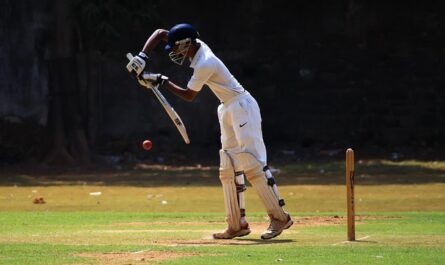
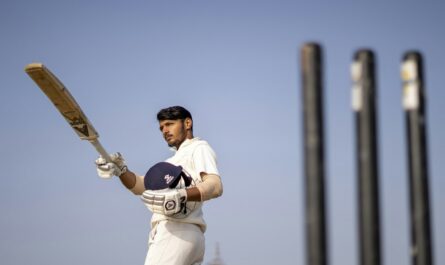
For most batters, the essential cricket safety equipment is a helmet, batting pads, batting gloves, an abdominal protector and suitable cricket shoes. Wicketkeepers need additional protection for the hands, legs and face, while close fielders may require a helmet, chest guard or shin protection when positioned near the batter.
Essential cricket protective gear for batters
Cricket helmet
A cricket helmet protects the head and face from rising deliveries, edges and mistimed shots. Choose a helmet with a strong grille that leaves enough space from the nose and chin, and make sure it stays stable when you move your head. The chin strap should sit securely without being painfully tight.
Check the manufacturer’s safety certification and inspect the grille, shell, padding and straps before every match. Replace a helmet after a significant impact if the manufacturer advises replacement, even when there is no visible crack. A helmet that feels loose, blocks vision or presses against the face is not properly fitted.
Batting pads
Batting pads shield the shins, knees and lower legs from the ball. They should cover the knee correctly while allowing the batter to bend, run and turn comfortably. Pads that are too large can restrict footwork; small pads can leave exposed areas around the knee or shin.
Right- and left-handed batters usually need pads designed for their stance. Try them while wearing cricket trousers and moving into a batting position. The straps should hold the pad firmly without cutting into the leg.
Batting gloves
Batting gloves cushion the hands and fingers from impact and help maintain control of the bat. Look for firm finger protection, a secure wrist fastening and enough flexibility to grip the handle naturally. Make sure every finger is seated correctly inside its compartment before facing a bowler.
Do not use badly torn gloves for competitive play. Damaged padding can expose the fingers, particularly around the thumb and the first two fingers of the lower hand.
Abdominal protector
An abdominal guard protects sensitive areas from a direct or deflected delivery. It should be worn in a proper supporter or protector brief so that it remains in position while running and batting. Male players should treat it as essential equipment; female players can choose suitable pelvic protection based on comfort, playing role and advice from a coach or medical professional.
Chest, arm and thigh protection
Chest guards, arm guards and thigh pads are useful for players facing fast bowling or training frequently against a bowling machine. They are not a substitute for a helmet, gloves or pads, but they can cover areas that standard batting equipment leaves exposed.
Protective equipment for wicketkeepers and fielders
Wicketkeeping gloves and pads
Wicketkeeping gloves have webbing and catching surfaces designed for receiving the ball behind the stumps. They are different from batting gloves and should fit snugly around the fingers and wrist. Wicketkeeping leg guards protect the lower legs while crouching, diving and collecting the ball.
A wicketkeeper may also use an inner glove for comfort and impact absorption. Check that the combined gloves do not make it difficult to close the hands around the ball.
Helmet and face protection
Wicketkeepers standing close to the stumps face unpredictable edges and ricochets. A helmet with a face grille can provide valuable protection, particularly against quicker bowlers. The helmet must not interfere with sight of the ball or the ability to move quickly sideways.
Close-catching protection
Fielders in positions such as short leg and silly point are exposed to powerful shots from very short distances. A helmet, chest protector, abdominal guard and shin protection may be appropriate, depending on the match rules and the team’s risk assessment. Players should agree on the required equipment with the captain, coach or match officials before play begins.
How to choose cricket safety equipment in Nigeria
Heat, humidity and the availability of replacement parts can affect equipment choices in Nigeria. Prioritise ventilation, washable inner padding and materials that dry reasonably quickly after use. Carry a clean towel and allow gloves, pads and helmet padding to dry fully rather than storing damp equipment in a closed kit bag.
Buy from a reputable cricket supplier or established sports retailer, and check the exact sizing chart instead of relying only on small, medium or large labels. Imported equipment can use different measurements. If possible, try helmets and pads with the clothing and shoes you will wear during matches.
Budget equipment can be suitable for casual cricket if it fits correctly and meets recognised safety requirements. Do not economise by sharing a poorly fitting helmet or by replacing a certified helmet with a bicycle or construction helmet. Those products are designed for different impact conditions.
Inspection and care before every match
- Check the helmet shell, grille, chin strap and internal padding.
- Look for loose stitching, cracked plastic and worn straps on pads and gloves.
- Confirm that the abdominal protector is not cracked or deformed.
- Make sure shoe soles provide grip on the playing surface without damaged spikes.
- Replace equipment that no longer stays secure during normal movement.
Protective equipment works best when combined with safe practice. Batters should face throwdowns and bowling-machine sessions with the same core protection used in matches, and coaches should keep non-essential players away from the batter’s hitting range.
Common questions about cricket protective gear
What cricket protective gear does a beginner need?
A beginner batter normally needs a cricket helmet, batting pads, batting gloves, an abdominal protector, suitable cricket shoes and comfortable clothing. Add chest, thigh or arm protection when facing faster bowlers or when a coach recommends it.
Can cricket batting pads be used for wicketkeeping?
Batting pads and wicketkeeping pads serve different purposes. Wicketkeeping pads are shaped for repeated crouching and movement behind the stumps, while batting pads are designed for a batter’s stance and running between wickets. Dedicated wicketkeeping pads are the better choice for regular wicketkeeping.
How should a cricket helmet fit?
The helmet should sit securely, provide a clear view and remain stable when the player turns or lowers the head. The grille should protect the face without touching the nose or chin. Follow the manufacturer’s fitting instructions and replace the helmet when its safety components are damaged or beyond their recommended service life.