
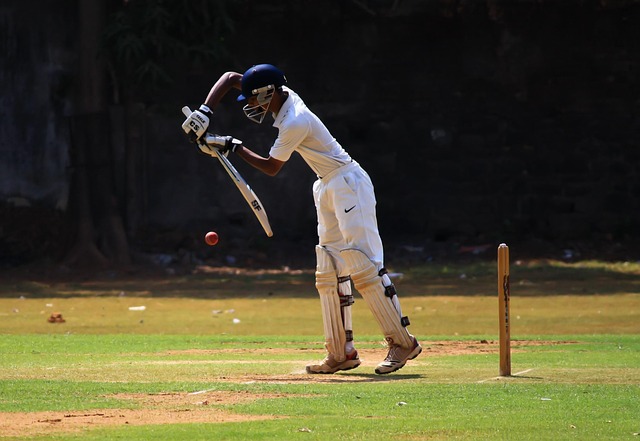
 by
by The main difference between Test vs ODI vs T20 cricket is the amount of time and the number of overs available to each team. A Test match can last up to five days, an ODI gives each side 50 overs, and a T20 match gives each side only 20 overs. That time limit changes how batters score, how bowlers are used and how captains make decisions.
How Test, ODI and T20 cricket differ
All three formats involve two teams taking turns to bat and bowl. The major difference is how long the contest lasts and how many opportunities each side has to build an innings.
| Format | Overs per innings | Typical duration | Number of innings |
|---|---|---|---|
| Test cricket | No fixed over limit | Up to five days | Up to two per team |
| ODI cricket | 50 overs | About seven to eight hours | One per team |
| T20 cricket | 20 overs | About three hours | One per team |
Test matches are the longest and give teams time to recover from a poor session. One-day international cricket, usually called ODI cricket, balances patience with a firm scoring deadline. Twenty20 cricket, or T20 cricket, is the shortest international format and demands fast scoring, aggressive bowling changes and sharp fielding.
What makes Test cricket different?
Test cricket is designed to examine a team over several days rather than in one short burst. Each side can usually bat twice, so a team may repair an early collapse or build pressure gradually. The match can end in a win, loss or draw, although a result is more likely when conditions allow enough play.
There is no fixed limit on the number of overs in a Test innings. A batting team normally continues until it is bowled out, declares its innings closed or reaches the end of the scheduled day. Captains therefore think about time as well as runs. A declaration may give the opposition a target while leaving enough time to take 20 wickets.
Test match cricket places a high value on technique, concentration and changing conditions. A new ball may move in the air or off the pitch, while an older ball can help reverse swing or allow spin bowlers to become more influential. Batters must judge when to defend, leave the ball or attack.
What makes ODI cricket different?
In an ODI, each team has a maximum of 50 overs and only one innings. That creates a clear race between scoring quickly and protecting wickets. Losing several wickets early can limit a team’s options later, but scoring too slowly can leave too many runs to find at the end.
One-day international cricket often has distinct phases. The opening overs can encourage attacking shots because fielding restrictions limit the number of fielders outside the inner circle. The middle overs may focus on rotating the strike and targeting particular bowlers. The final overs usually bring more boundary attempts as batters take greater risks.
ODI strategy also depends heavily on the target. A team batting first may choose a safe platform before accelerating. A chasing team can measure its required run rate and adjust its risk level after every over. Rain interruptions may change the number of overs and produce a revised target under the playing regulations.
What makes T20 cricket different?
T20 cricket gives each side just 20 overs, so every over has greater value. Batters often attack from the start, and teams may select players who can score quickly, bowl in short spells or contribute in several areas.
The T20 format rewards power hitting, running between the wickets and flexible batting orders. A specialist finisher may enter late to target the final overs, while an attacking opener tries to exploit the fielding restrictions at the beginning. Bowlers use slower balls, yorkers, wide lines and changes of pace to limit boundary scoring.
Because there are fewer overs, a short spell of poor bowling can decide the match. T20 cricket also gives captains less time to correct a tactical mistake. A team that falls behind the required run rate may need several high-risk shots to recover.
Test vs ODI vs T20: which format is more difficult?
Difficulty depends on the skill being measured. Test cricket is usually the greatest examination of concentration, defensive technique and endurance. ODI cricket requires players to change tempo as the innings develops. T20 cricket tests immediate decision-making, power, accuracy under pressure and fielding speed.
That does not make one format universally better than the others. A batter who excels in T20 may not have the patience needed for a long Test innings, while a strong Test player may need to develop faster scoring options for T20. Bowlers also need different plans: Test bowlers can build pressure over long spells, whereas T20 bowlers may have only four overs to influence the result.
Which cricket format should a new viewer watch?
T20 is the easiest place to start if you want a short match with regular attacking play. The result usually arrives within an evening, and the basic objective is easy to follow: score more runs in 20 overs.
ODI matches suit viewers who want more time for tactics without committing to several days. The innings has enough length for partnerships, recovery and strategic changes, while the fixed 50-over limit keeps the result within one day.
Test cricket is the best choice for viewers interested in the deeper contest between bat and ball. It rewards attention to pitch conditions, session-by-session momentum, bowling spells and the possibility of a draw. For Nigerian fans discovering international cricket, watching one T20 match first can make the longer ODI and Test formats easier to understand.
Common mistakes when comparing the formats
- Assuming more runs means better batting: A Test innings may have a lower strike rate but still be highly valuable because it protects wickets and absorbs difficult conditions.
- Comparing strike rates without context: A strike rate that is useful in Test cricket may be too slow in T20, while a T20 approach may create unnecessary dismissals in a Test.
- Ignoring the value of wickets: In ODI and T20 cricket, wickets in hand help a team attack late. In Tests, wickets are also essential because a side generally needs to dismiss the opposition twice.
- Treating every pitch the same: A slow surface, a helpful seam pitch and a flat batting pitch can change the best plan in any format.
Test vs ODI vs T20 explained simply
Test cricket is a long examination of technique and endurance. ODI cricket combines a 50-over limit with changing phases of risk and control. T20 cricket compresses the contest into 20 overs, making every decision more immediate. Knowing these differences makes scorecards, tactics and player roles easier to understand across international cricket and domestic competitions.