 by
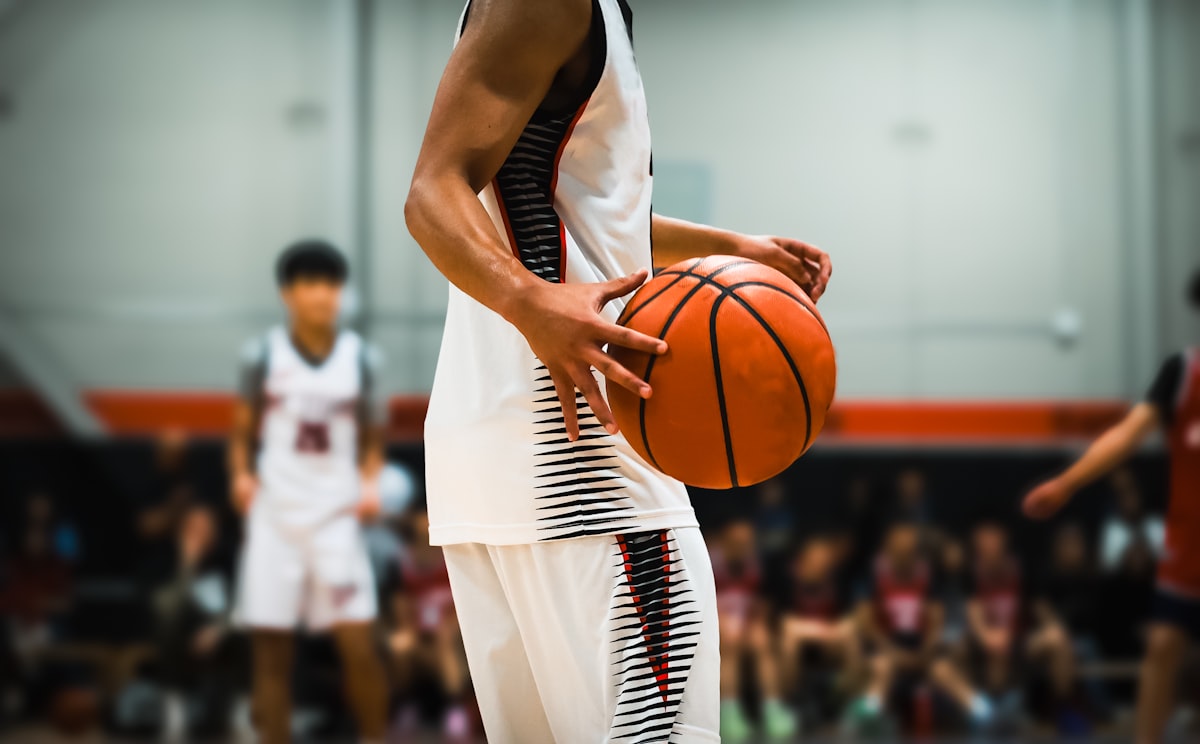
by The right basketball size affects grip, shooting technique and ball control. For most adult men and official men’s competitions, choose a size 7 ball. Adult women and many girls’ competitions generally use size 6, while younger children usually need size 5 or smaller.
Basketball sizes at a glance
Basketball size numbers refer mainly to the ball’s circumference and weight. The exact measurements can vary slightly by manufacturer, but these are the standard ranges commonly used in organised play.
| Size | Approx. circumference | Approx. weight | Typical use |
|---|---|---|---|
| Size 3 | 22 inches | 10–12 oz | Young children and introductory skills |
| Size 5 | 27.5 inches | 15–17 oz | Children’s basketball, often ages 9–11 |
| Size 6 | 28.5 inches | 18–20 oz | Women’s competitions and many youth groups |
| Size 7 | 29.5 inches | 20–22 oz | Men’s competitions and most adult men |
Size 4 balls are also sold for some junior programmes, although size 5 is the more common youth basketball in many organised settings. Check the rules of the league, school or academy before buying equipment for competition.
Which basketball size should you use?
Size 7: adult men and official men’s play
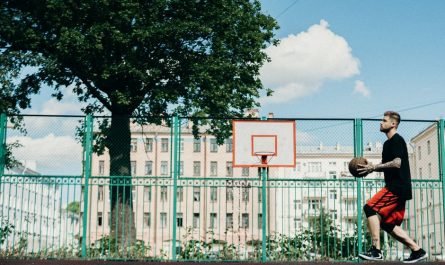
A size 7 basketball is the standard choice for adult men and is used in major men’s competitions governed by international rules. If you are joining a men’s club, playing on an outdoor court in Lagos, Abuja or another Nigerian city, or practising for a formal tournament, this is usually the correct basketball size.
It is heavier and larger than youth balls, so it demands stronger hand control. Players who are still developing their grip may benefit from practising with a smaller ball for some drills, but should become comfortable with size 7 before competing.
Size 6: adult women and developing players
Size 6 is the standard basketball size for many women’s competitions. It is also a useful option for teenagers and players with smaller hands who find a size 7 difficult to control.
For Nigerian school, university and club basketball, competition rules should take priority over general age recommendations. Some youth leagues use size 6 for older players, while others continue with size 5.
Size 5: children and junior training
Size 5 is commonly used for children’s basketball because it is easier to catch, pass and dribble. It helps young players focus on basic technique instead of struggling to hold a full-size ball.
Age is only a starting point. A child’s hand size, strength and playing level matter too. If a young player cannot comfortably spread their fingers around the ball or maintain control while dribbling, a smaller size may be more suitable.
Size 3 and smaller balls
Size 3 basketballs are designed for very young children and basic introduction to the sport. They are useful for simple catching, passing and coordination exercises, but they are not the normal choice for formal youth competition.
How to choose a basketball for outdoor courts in Nigeria
After selecting the size, consider where the ball will be used. Outdoor concrete courts can wear down an indoor-only leather or composite ball quickly. For regular play outside, look for a durable rubber or outdoor composite cover with channels that remain easy to grip.
An indoor basketball usually has a softer feel and more consistent response, but it may not last as long on rough surfaces. An indoor-outdoor basketball is a practical compromise for players who move between school halls, sports centres and public courts.
Heat, dust and humidity can also affect handling. Store the ball away from direct sunlight, wipe off dirt after outdoor sessions and inflate it to the manufacturer’s recommended pressure. A ball that is overinflated feels hard and can be difficult to control, while low pressure affects its bounce.
What to check before buying
- Competition rules: Confirm whether your league requires size 7, size 6 or size 5.
- Hand control: The player should be able to grip and pass the ball without forcing their fingers or losing control.
- Playing surface: Choose an outdoor basketball for abrasive concrete and an indoor model for polished courts.
- Construction: Check the cover, channel depth, valve and panel seams before purchase.
- Inflation: Use a pump with a suitable needle and follow the pressure guidance printed by the manufacturer.
Do not choose a ball only because it is the biggest or most expensive option. A correctly sized basketball that matches the court and the player’s level will usually support better practice.
Common basketball size questions
Is size 7 the normal basketball size?
Yes. Size 7 is the standard full-size basketball for adult men and many men’s competitions. It is not the best choice for every player, especially young children and beginners with smaller hands.
What is the difference between size 6 and size 7 basketballs?
A size 6 basketball is about one inch smaller in circumference and lighter than a size 7. Size 6 is widely used in women’s basketball and youth development, while size 7 is used mainly for adult men’s play.
What basketball size is best for a 10-year-old?
Size 5 is often suitable for a 10-year-old, but the correct choice depends on the rules of the programme and the child’s physical development. If the player is preparing for a competition that specifies size 6, practise with size 6 as well.
Can adults practise with a smaller basketball?
Yes. A smaller ball can help with coordination, quick-hand drills and learning new movements. However, adults should also practise with the size required in their competition so that their shooting range, passing strength and grip transfer to match play.